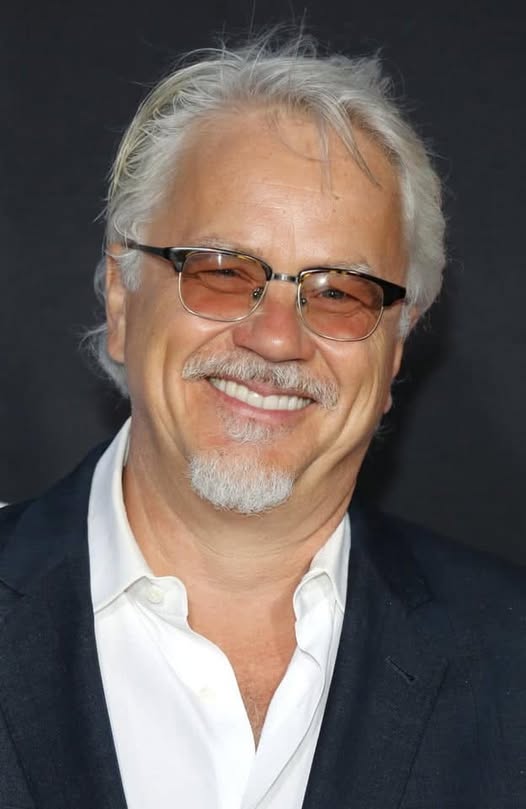
Tim Robbins has built a career that resists easy definition—one shaped not only by iconic roles, but by a restless curiosity about human nature, justice, and the stories that sit beneath the surface of everyday life.
While many actors are remembered for a single defining performance, Robbins has managed to create a body of work that feels cohesive in its depth, yet remarkably diverse in its form.
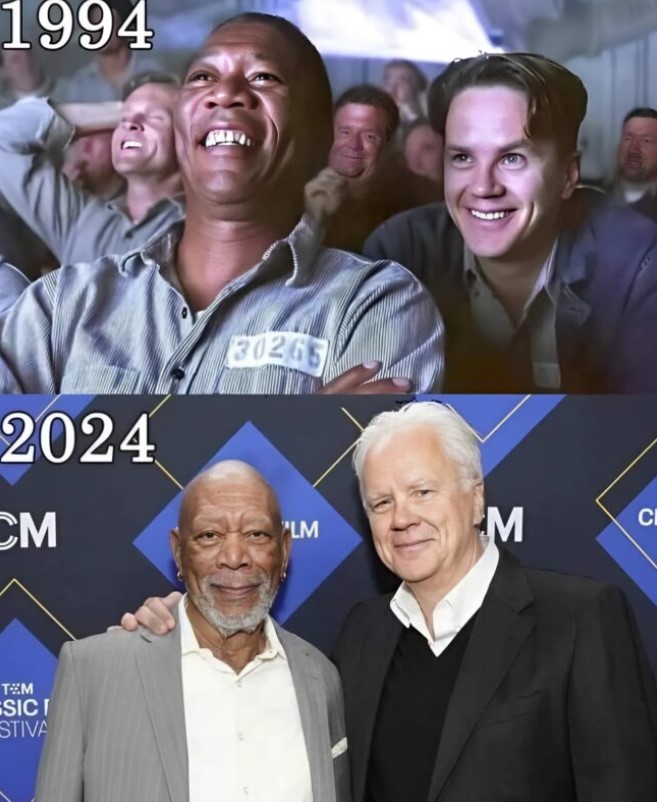
His portrayal of Andy Dufresne in The Shawshank Redemption remains a cornerstone of modern cinema, not because it was loud or flashy, but because it was so quietly powerful.
Robbins understood that the character’s strength lay in restraint—in the subtle shifts of expression, in the calm persistence of hope under pressure.
Opposite Morgan Freeman, he helped create a film that transcended its prison setting to become a meditation on freedom, dignity, and the passage of time.
It’s the kind of performance that grows richer with each viewing, revealing new layers of emotion and intention.
Yet, focusing only on Shawshank risks overlooking the breadth of Robbins’ artistic journey.
Throughout the late 1980s and 1990s, he consistently chose roles that challenged both himself and his audience.
Whether it was the satirical edge of Bob Roberts—which he also wrote and directed—or the moral complexity explored in Dead Man Walking, Robbins showed an early commitment to storytelling that engaged with real-world issues.
His work often sits at the intersection of art and conscience, asking viewers not just to feel, but to reflect.
This commitment extended into his directing career, where he proved equally adept behind the camera.
In Dead Man Walking, he crafted a narrative that avoided easy answers, instead presenting a deeply human story about accountability, compassion, and the gray areas of justice.
It’s a film that continues to spark discussion, a testament to Robbins’ ability to handle sensitive material with nuance and respect.
Even as his career evolved, Robbins never seemed particularly interested in maintaining a traditional Hollywood trajectory.
He stepped in and out of the spotlight on his own terms, often prioritizing theater work, activism, and independent projects over mainstream visibility.
This deliberate pacing has allowed him to sustain a career defined by intention rather than momentum—a rare quality in an industry that often rewards constant exposure.
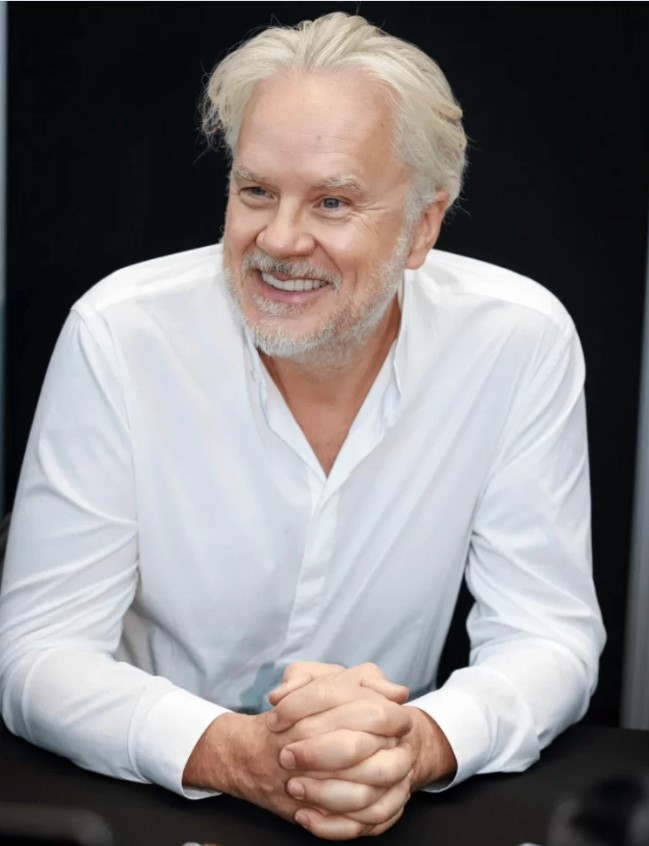
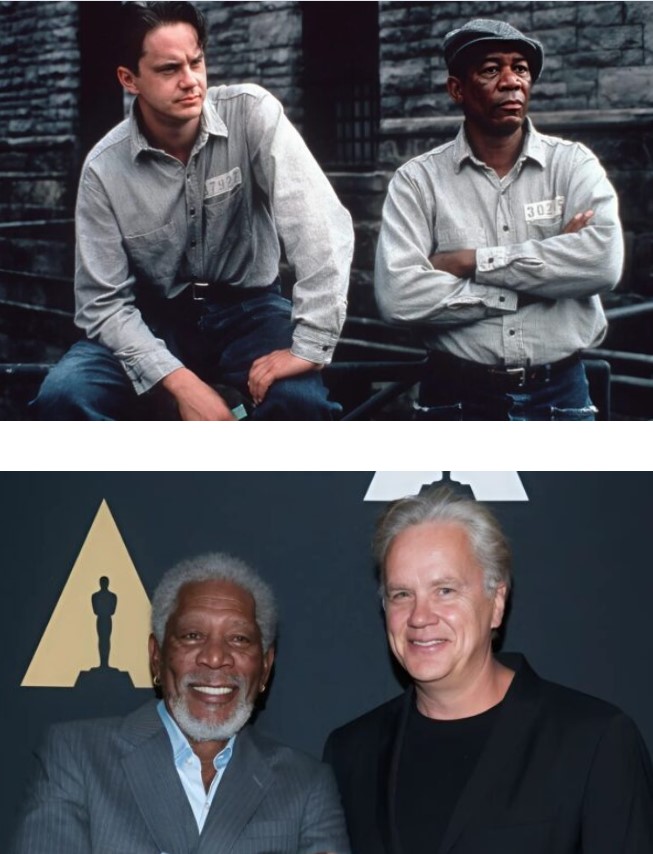 Now in his 60s, Robbins carries with him the visible marks of time, but also a deepened presence that comes from decades of experience.
His performances today are informed not just by skill, but by perspective—an understanding of life that cannot be rushed or manufactured.
The intensity that once defined his earlier roles has matured into something quieter, more reflective, yet no less compelling.
What makes Tim Robbins particularly enduring is his refusal to separate art from meaning.
Whether acting, directing, or speaking out on social issues, he approaches his work with a sense of responsibility—to the story, to the audience, and to the broader world.
He is not simply an entertainer, but a storyteller in the truest sense, one who believes that film and theater can illuminate, challenge, and connect.
 In a culture that often prioritizes image and immediacy, Robbins stands as a reminder that lasting impact comes from substance.
His legacy is not built on fleeting trends or surface-level appeal, but on a consistent dedication to craft, integrity, and thoughtful expression.
Over time, that kind of artistry doesn’t fade—it deepens, becoming more relevant with each passing year.