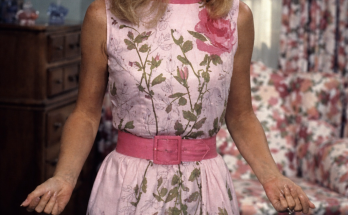
She appeared on theater marquees, magazine covers, and the shelves of neighborhood video stores. For moviegoers who remember the 1990s, she represented a certain kind of Hollywood star—elegant without seeming distant, glamorous without losing her natural warmth.
Then, almost as quietly as she had risen, she stepped away.
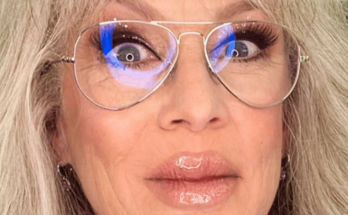
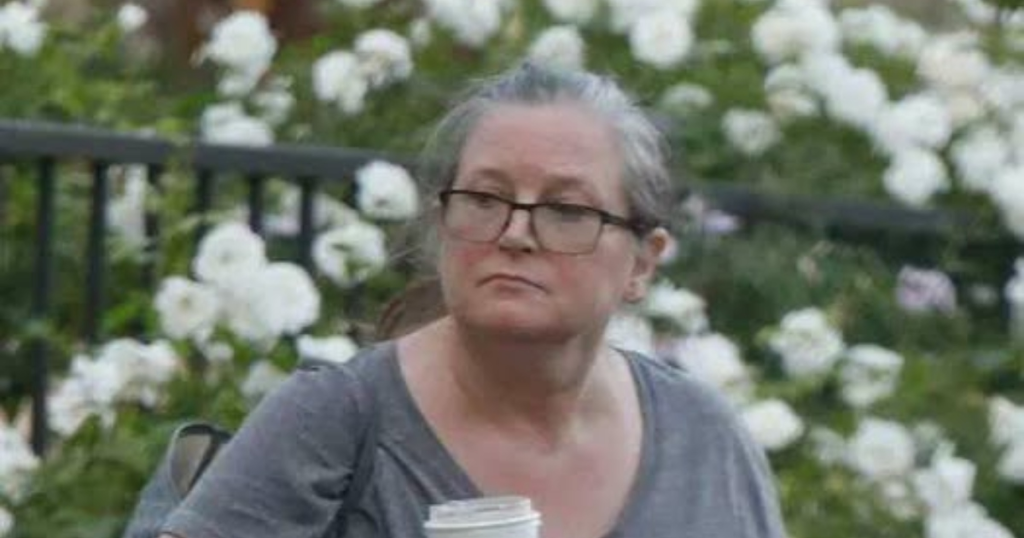
Years later, rare photographs of the former actress surprised longtime fans. Yet behind the headlines about her changed appearance is a far more meaningful story about privacy, family, and the courage to leave fame behind.
A Familiar Face From a Golden Decade
The woman in the photographs is Bridget Fonda, one of the most memorable actresses of the late 1980s and 1990s.
For many Americans, her name immediately brings back memories of Friday-night movie rentals, crowded multiplexes, and a period when Hollywood thrillers and character-driven dramas dominated the box office.
Fonda possessed a rare screen presence. She could appear vulnerable in one scene and quietly determined in the next. Rather than relying on the fame of her family name, she gradually created an identity that felt distinctly her own.
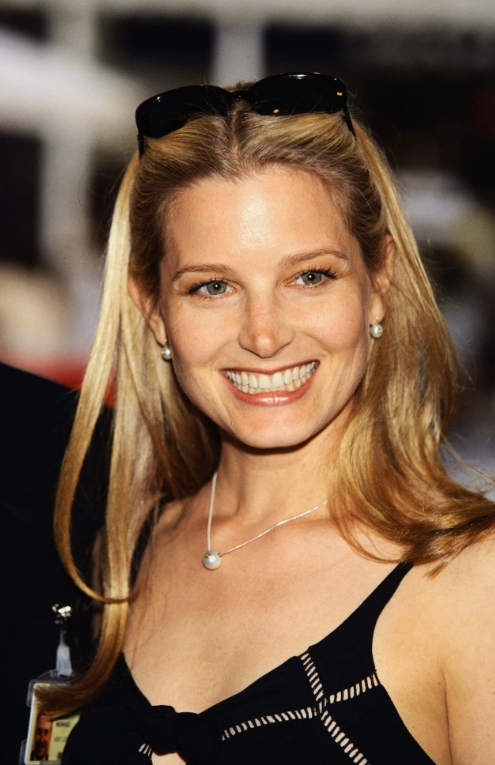
Her career included roles in such widely remembered films as Single White Female, Singles, Point of No Return, Jackie Brown, and A Simple Plan. Her final screen performance came in the 2002 television production Snow Queen.
Born Into One of Hollywood’s Most Famous Families
Bridget’s connection to American film history began long before she entered the business herself.
Her grandfather was Henry Fonda, whose restrained and deeply human performances helped define classic Hollywood. Her father, Peter Fonda, became a counterculture symbol through movies such as Easy Rider. Her aunt, Jane Fonda, built an acclaimed career spanning acting, activism, fitness, and public service.
Growing up with such a recognizable surname could easily have overshadowed a young performer. Bridget, however, earned attention through a style that was noticeably different from those of her famous relatives.
She was softer and more understated on screen. Even when playing characters caught in dangerous or emotionally complicated circumstances, she brought a sense of intelligence and humanity to the role.
Video : Bridget Fonda explains why she won’t return to Hollywood during rare outing | Page Six
The Actress Moviegoers Could Not Forget
Bridget’s rise coincided with an especially memorable era in American entertainment.
Audiences were still discovering films through newspaper listings, television commercials, and the recommendations of local video-store employees. A successful movie could remain part of the cultural conversation for months rather than disappearing after a single weekend.
In Single White Female, Bridget portrayed a young woman whose decision to welcome a roommate into her apartment leads to increasingly troubling consequences. The 1992 thriller became a major commercial success and remains one of the decade’s most recognizable suspense films.
A year later, she took on a physically demanding role in Point of No Return, playing a woman forced into a dangerous new identity. The performance allowed her to combine action, vulnerability, and emotional restraint.
She also became part of the unforgettable ensemble in Quentin Tarantino’s Jackie Brown. Surrounded by established stars, Bridget made her supporting role memorable through dry humor and an almost casual unpredictability.
Then came A Simple Plan, a dark Midwestern drama about ordinary people whose lives unravel after they discover a large amount of money. The film offered another reminder that Bridget was equally comfortable in stylish thrillers and serious character pieces.
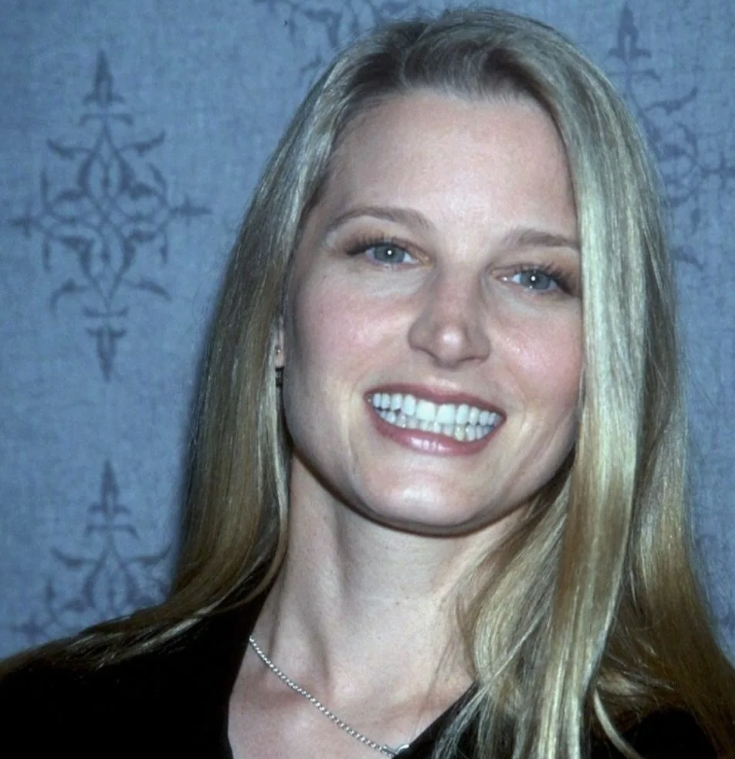
Looking back, her filmography feels like a time capsule from an era when adult dramas, psychological thrillers, and mid-budget studio movies still regularly filled American theaters.
Why She Left the Spotlight
By the early 2000s, Bridget had spent much of her adult life working in an industry that demanded constant public attention.
She eventually made a choice that remains unusual in Hollywood: she stopped acting and stayed away.
Bridget married composer Danny Elfman in 2003. Two years later, the couple welcomed their son, Oliver. Rather than maintaining a carefully managed celebrity presence, she embraced a quieter family life largely removed from premieres, interviews, and red carpets.
There was no heavily promoted farewell tour and no series of dramatic announcements. Her departure was quiet, much like the private life that followed.
For fans accustomed to seeing former stars return through reboots, reunions, and streaming projects, Bridget’s long absence made her increasingly intriguing.
A Rare Answer About Returning to Acting
During a rare public encounter in 2023, Bridget was asked whether she might ever consider acting again.
Her answer was direct.
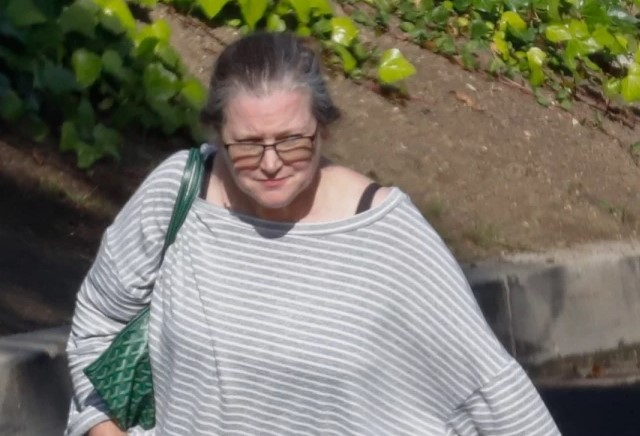
She indicated that she did not expect to return, explaining that it was “too nice being a civilian.” It was a brief comment, but it revealed something important: her distance from Hollywood was not necessarily a loss that needed to be corrected. It appeared to be a life she had deliberately chosen.
That response may resonate with older readers who understand how priorities can change over time.
Ambition matters. Achievement matters. But so do peaceful mornings, time with family, and the freedom to live without constantly being observed.
More Than a Change in Appearance
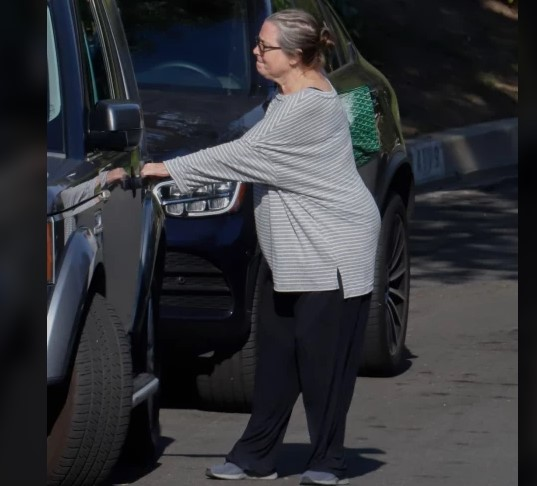
When rare photographs of Bridget began circulating, much of the attention focused on how different she looked from the actress people remembered.
But photographs from two very different chapters of a person’s life are never a complete comparison.
The youthful image preserved in an old movie does not age. It remains forever illuminated by studio lights, professional styling, and the magic of cinema. The person behind that image continues living, changing, raising a family, and moving through the same passing years as everyone else.
Bridget’s story is therefore not simply about a physical transformation.
It is about what happens when a woman once recognized around the world decides that public recognition is no longer the measure of a meaningful life.
The Movies Remain
Bridget Fonda may have left Hollywood, but the performances she gave audiences have not disappeared.
They remain in old DVD collections, late-night television broadcasts, streaming libraries, and the memories of viewers who first saw them decades ago.
Watching one of her films today can feel like opening a box of photographs from another time. The hairstyles, music, city streets, and familiar faces instantly bring back an era that seems both recent and wonderfully distant.
Perhaps that is the quiet beauty of Bridget’s legacy.
She did not need to spend the rest of her life trying to recreate her younger image. She left behind a collection of memorable work and then gave herself permission to begin another chapter—one lived away from applause, expectations, and the relentless gaze of the camera.
For those who remember her best from the 1990s, she will always be part of that remarkable decade.
And today, she offers an equally valuable reminder: sometimes the most courageous transformation is choosing the life that feels right, even when it takes you far beyond the spotlight.