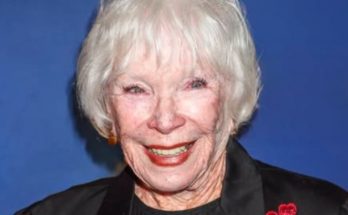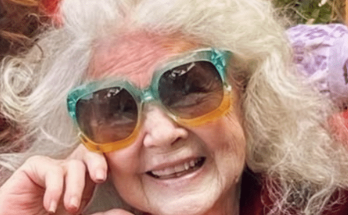
For millions of Americans who grew up during the late 1990s and early 2000s, Amanda Bynes is remembered first for laughter.
She was the energetic young performer who could transform herself with a strange voice, an exaggerated expression, or a perfectly timed reaction. Before social media clips and on-demand streaming changed children’s entertainment, families waited for favorite shows to appear at a scheduled hour.
Bynes became one of the brightest faces of that television era.
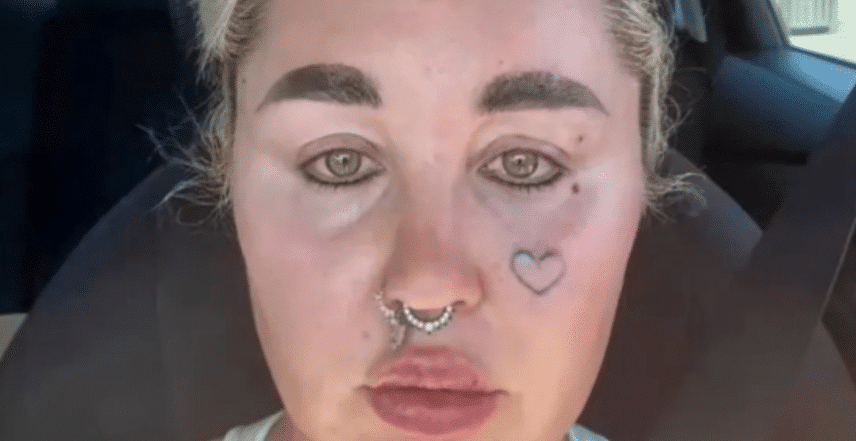
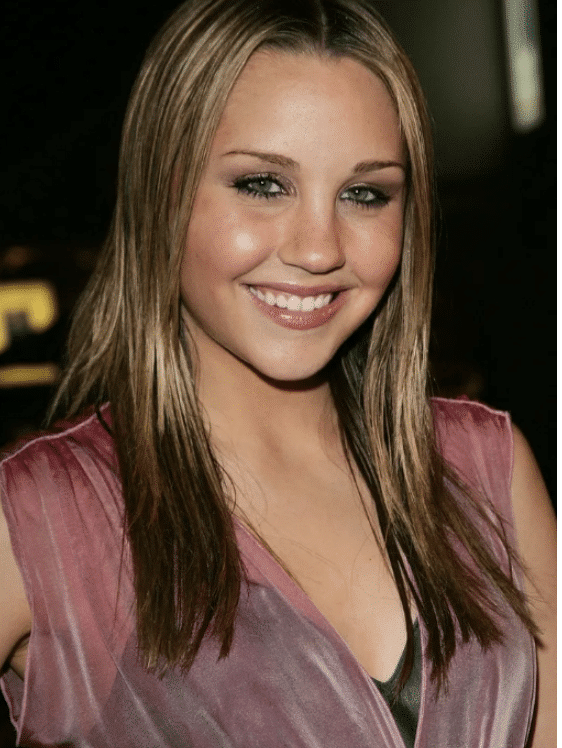
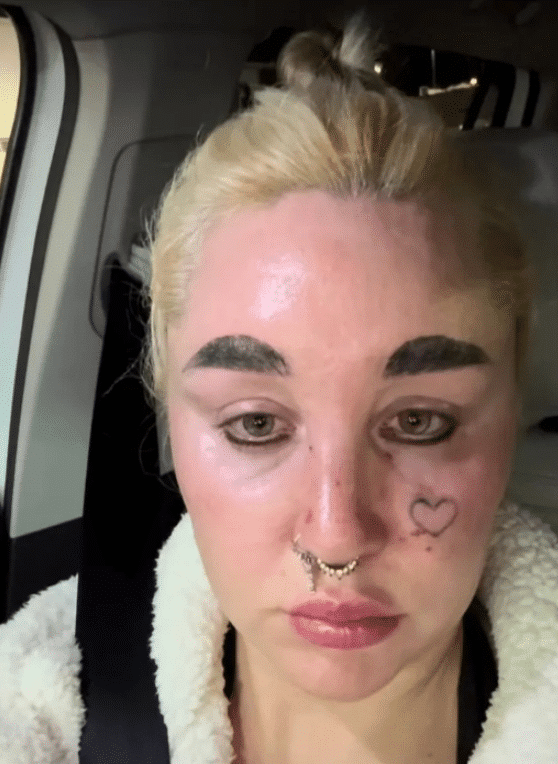
Today, however, photographs of her are often accompanied by discussions about eyebrows, tattoos, cosmetic procedures, or how different she appears from the teenager viewers remember.
Those conversations overlook a far more meaningful story.
Amanda Bynes was a remarkably gifted child comedian who grew up before millions of people, stepped away from a demanding industry, pursued new creative interests, and continued searching for ways to express herself beyond the roles that first made her famous.
The Saturday-Night Star Young Viewers Never Forgot
Bynes joined Nickelodeon’s sketch-comedy series All That in 1996, when she was approximately 10 years old.
Her natural comic timing quickly distinguished her from the other young performers. She could deliver broad physical comedy one moment and an unexpectedly subtle reaction the next.

By 13, she was leading her own Nickelodeon sketch series, The Amanda Show. The program placed her at the center of recurring characters, strange commercials, audience introductions, and increasingly elaborate comedy sketches.
For viewers who remember Nickelodeon’s Saturday-night programming, the show may bring back an entire atmosphere.
There were sleepovers on the living-room floor, microwave popcorn, bulky television sets, and remote controls that always seemed to disappear beneath the couch cushions. Children repeated favorite lines at school because everyone had watched the same episode the previous weekend.
Bynes was more than the host.
She was the comic engine driving the program.
Years later, former cast member Taran Killam credited their work together with helping launch his adult acting career. He also compared Bynes’s comedy instincts with those of classic television performers such as Lucille Ball and Carol Burnett.
Moving From Children’s Television to Hollywood Movies
Leaving a successful children’s program can be difficult.
Young performers often become permanently associated with one character or network. Bynes, however, made the transition into mainstream television and movies with unusual ease.
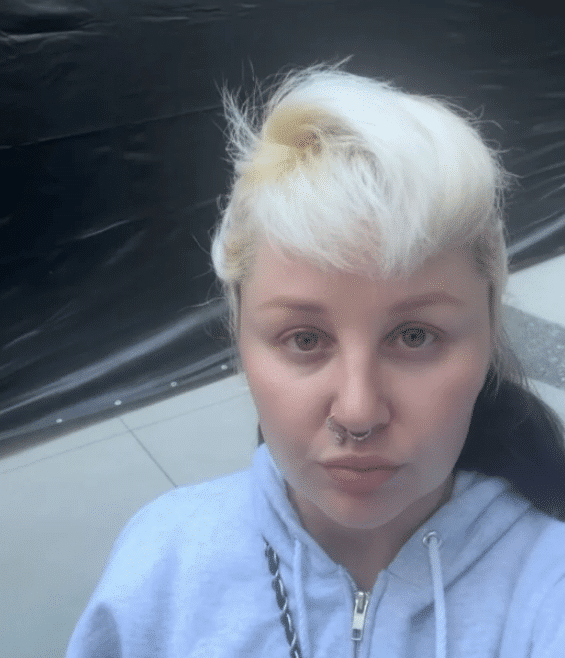
She starred opposite Jennie Garth in the WB comedy What I Like About You, playing a lively younger sister whose impulsive decisions repeatedly disrupted an already complicated household.
At the movies, Bynes appeared in a series of films that became favorites for teenagers and families.
In Big Fat Liar, she joined Frankie Muniz in an energetic comedy about two young people confronting a dishonest Hollywood producer. In What a Girl Wants, she played an American teenager traveling to England in search of the father she had never known.
Then came She’s the Man.
The 2006 comedy placed Bynes at the center of a story loosely inspired by Shakespeare’s Twelfth Night. Her character disguises herself as her twin brother so she can join a boys’ soccer team, creating a maze of misunderstandings and romantic complications. Paramount’s description emphasizes the film’s playful message that girls can pursue the same ambitions as boys.
The role required much more than a costume change.
Bynes adjusted her voice, posture, facial expressions, and comic rhythm while still allowing the audience to recognize the young woman beneath the disguise. The performance became one of the clearest examples of the physical-comedy skills she had developed on Nickelodeon.
The Movies That Became Millennial Comfort Classics
Bynes continued expanding her range with Hairspray in 2007.
As Penny Pingleton, she joined an ensemble that included John Travolta, Queen Latifah, Christopher Walken, Michelle Pfeiffer, Zac Efron, Nikki Blonsky, and James Marsden. The musical allowed her to combine comedy, acting, singing, and dancing in one production.
She later appeared in Sydney White and played a very different supporting role in Easy A, the 2010 comedy starring Emma Stone. Her filmography also included animated voice work and several romantic comedies that remain strongly associated with early-2000s popular culture.
These movies now function as comfort viewing for many adults.
They recall DVD collections arranged beneath the television, trips to Blockbuster on Friday evenings, and movie nights before every household had several streaming subscriptions.
When a Private Life Became Public Entertainment
Bynes stepped away from acting after Easy A.
The years that followed included highly publicized personal and legal difficulties. Too often, the coverage treated those difficulties as entertainment rather than as events involving a real person who needed privacy and support.
Her clothing, photographs, social-media messages, and physical appearance were analyzed by strangers. Moments that might have remained private for an ordinary individual became permanent headlines.
In 2013, a conservatorship was established to oversee aspects of her personal and financial affairs.
Nearly nine years later, Bynes petitioned to end it. A California judge terminated the arrangement on March 22, 2022, after determining that the legal protection was no longer necessary. Her parents supported the decision, and the judge recognized that she had completed the requirements placed before her.
Why Appearance Comparisons Can Become Harmful

The original article asks readers to imagine what Bynes would look like without cosmetic procedures, strong eyebrows, or her heart-shaped facial tattoo.
The question may appear harmless, but it carries an uncomfortable assumption: that the face remembered from her teenage years represents the version she was supposed to preserve forever.
No one can remain physically unchanged from adolescence into middle age.
Hair changes. Fashion changes. Weight may change. Personal style evolves, and adults make choices about tattoos, piercings, makeup, or cosmetic treatments for many different reasons.
Bynes has publicly confirmed undergoing blepharoplasty, a procedure involving the skin around the eyelids. In 2023, she explained that the decision improved her confidence and helped her feel more comfortable with her appearance.
That is the confirmed information she chose to share.
It does not justify treating every photograph as evidence for additional procedures or asking strangers to decide which version of her face is acceptable.
Finding Another Creative Direction
Leaving acting did not mean Bynes lost interest in creativity.
She pursued fashion education and graduated from the Fashion Institute of Design & Merchandising in 2019 with an associate degree related to merchandise product development.
The move felt natural for someone whose career had always involved costumes, visual character development, and performance.
Fashion offered a different kind of authorship.
Instead of becoming the person dressed and directed for someone else’s production, Bynes could create designs and artwork based on her own ideas.
In 2024, she collaborated with designer Austin Babbitt on clothing featuring her original artwork. The project included shirts and shorts and led to plans for a public art and fashion presentation.
That December, Bynes cohosted an art show and clothing pop-up in Los Angeles. The event displayed her creative work and marked one of her first major public appearances in more than a decade. She met fans and participated as an artist rather than as the subject of an old Hollywood story.
The More Meaningful “What If?”
The original article asks what Amanda Bynes might have looked like without particular changes.
A more thoughtful question is what her career might have meant to the young viewers who watched her.
Perhaps she showed girls that they could be funny without being secondary characters.
Perhaps she demonstrated that physical comedy was not reserved for boys.
Perhaps a child watching The Amanda Show understood for the first time that a young woman could lead the program, play nearly every memorable character, and receive the biggest laugh of the evening.
Those achievements remain real.
An AI portrait cannot improve them, and a recent photograph cannot take them away.
Amanda Bynes’s story is larger than a comparison between two faces.
It is the story of a gifted young comedian, a generation of viewers who grew up alongside her, and an adult woman who continues searching for creative life beyond the frame in which Hollywood first placed her.