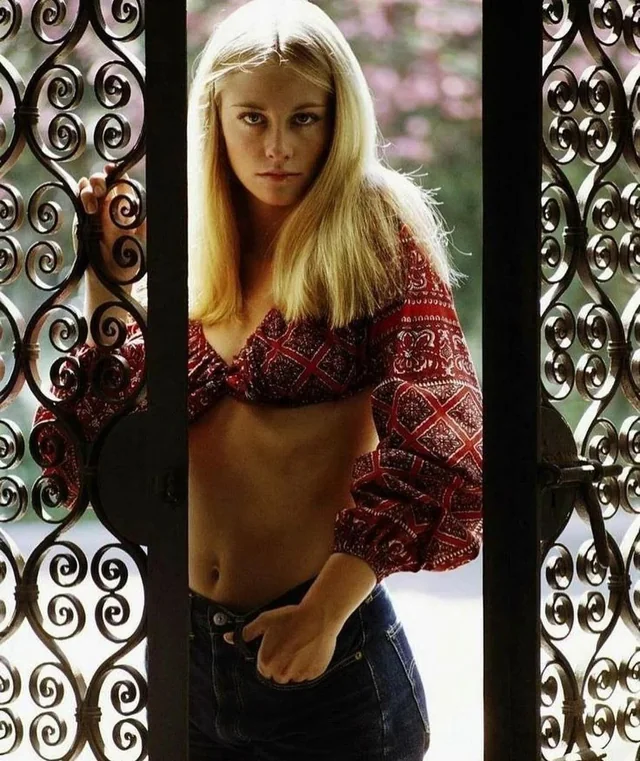
She lit up the big screen in Taxi Driver, captivated television audiences in Moonlighting, and became one of the most recognizable faces of the 1970s and 1980s.
With her striking beauty, unmistakable Southern charm, and remarkable versatility as an actress, Cybill Shepherd seemed destined for stardom from the moment she first stepped into the spotlight.
But while millions remember her glamorous Hollywood years, many fans have wondered: what happened to Cybill Shepherd, and where is she now?
Born Cybill Lynne Shepherd on February 18, 1950, in Memphis, Tennessee, she first gained attention not as an actress but as a model.
Blessed with classic features and natural confidence, she quickly rose through the ranks of the fashion world.
In the late 1960s, she won several beauty competitions, including the title of “Miss Teenage Memphis,” helping launch a modeling career that would place her on the covers of major magazines.
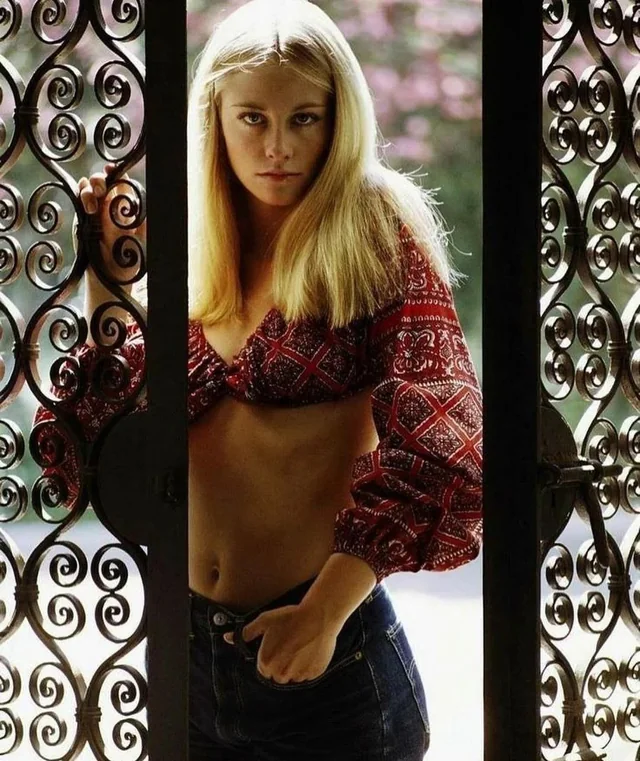 Her success in modeling soon caught the attention of filmmakers. In 1971, director Peter Bogdanovich cast the young model in The Last Picture Show, a critically acclaimed coming-of-age drama that would become one of the defining films of the decade.
Despite having little acting experience, Shepherd delivered a memorable performance that earned widespread praise and instantly established her as one of Hollywood’s most promising new talents.
The success of The Last Picture Show opened countless doors.
Throughout the 1970s, Shepherd appeared in several notable films, including The Heartbreak Kid, Daisy Miller, and Martin Scorsese’s legendary 1976 masterpiece Taxi Driver.
Although Taxi Driver is often remembered for Robert De Niro’s unforgettable performance, Shepherd played an important role as Betsy, the sophisticated campaign worker who becomes the object of Travis Bickle’s obsession.
The film remains one of the most celebrated movies in cinema history, and Shepherd’s performance helped cement her reputation as a serious actress capable of holding her own alongside some of Hollywood’s biggest talents.
Yet despite her growing film career, it was television that would eventually make Cybill Shepherd a household name.
 In 1985, she landed the role of Maddie Hayes in the hit detective comedy-drama Moonlighting, starring opposite Bruce Willis.
The show’s unique blend of mystery, romance, comedy, and witty dialogue quickly attracted viewers.
Audiences loved the electric chemistry between Shepherd and Willis, whose playful banter became one of television’s most iconic partnerships.
At the time, Moonlighting was considered groundbreaking. Its fast-paced scripts, clever humor, and occasional breaking of the fourth wall set it apart from other television programs.
Shepherd’s portrayal of Maddie Hayes showcased not only her beauty but also her comedic timing and charisma.
The role earned her two Golden Globe Awards and introduced her to an entirely new generation of fans.
Behind the scenes, however, life was not always as glamorous as it appeared.
Like many women in Hollywood, Shepherd faced challenges balancing career, motherhood, and the relentless pressures of the entertainment industry.
She became known for speaking candidly about sexism, ageism, and the obstacles women often encounter in show business.
Unlike many stars who avoided controversy, Shepherd frequently voiced her opinions and advocated for causes she believed in.
Her willingness to speak openly sometimes made headlines, but it also earned her respect from many who admired her honesty and independence.
In the 1990s, she experienced another career resurgence with the sitcom Cybill, a semi-autobiographical comedy inspired by her experiences as an actress navigating Hollywood.
The series was both funny and insightful, offering a behind-the-scenes look at the entertainment industry through the eyes of a woman determined to remain relevant in a youth-obsessed business.
The show was a critical success and earned Shepherd another Golden Globe Award. Many viewers appreciated its humor and its willingness to tackle issues rarely addressed on television at the time.
Over the years, Shepherd continued acting in films, television shows, and stage productions.
While she never completely disappeared from public view, she gradually stepped away from the intense spotlight that had defined much of her earlier career.
Instead, she focused on selective projects, family life, and personal interests.
 Today, Cybill Shepherd remains a beloved figure in entertainment history. Fans continue to discover her work through classic films, television reruns, and streaming platforms.
Her performances in The Last Picture Show, Taxi Driver, Moonlighting, and Cybill have secured her place among the most memorable actresses of her generation.
Now in her seventies, Shepherd’s legacy extends far beyond her beauty or celebrity status.
She helped redefine what it meant to be a leading woman in Hollywood, proving that intelligence, humor, confidence, and resilience could be just as captivating as glamour.
 For many fans, she represents a golden era of entertainment—a time when movie stars and television icons seemed larger than life.
Yet beneath the fame was a woman who continually reinvented herself, overcame challenges, and refused to be defined solely by her appearance.
Decades after she first appeared on magazine covers and movie screens, Cybill Shepherd continues to inspire admiration and curiosity.
Her story is one of talent, determination, and longevity in an industry where success is often fleeting.
While the spotlight may not shine as brightly as it once did, her influence remains undeniable, and her remarkable career continues to be celebrated by audiences around the world.