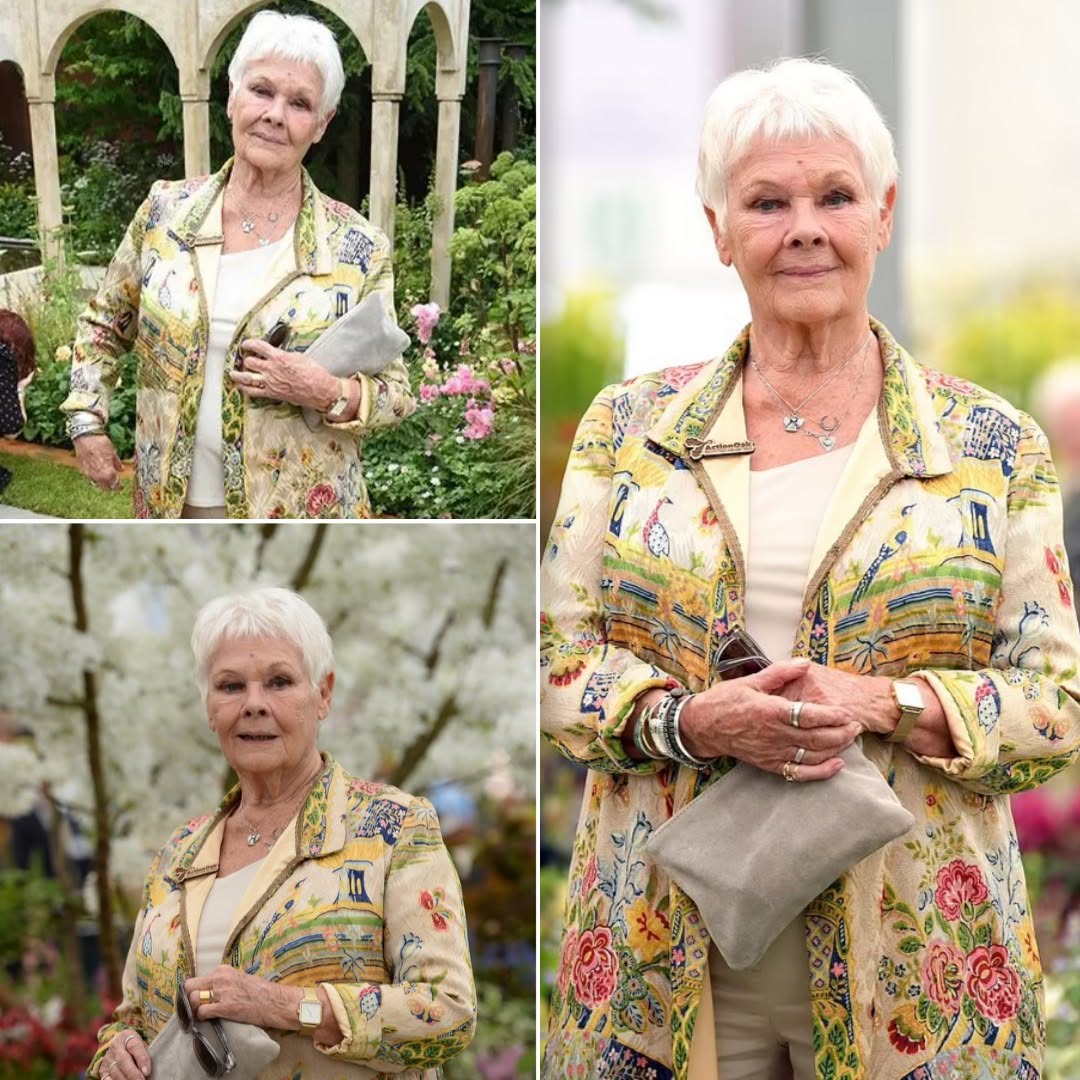
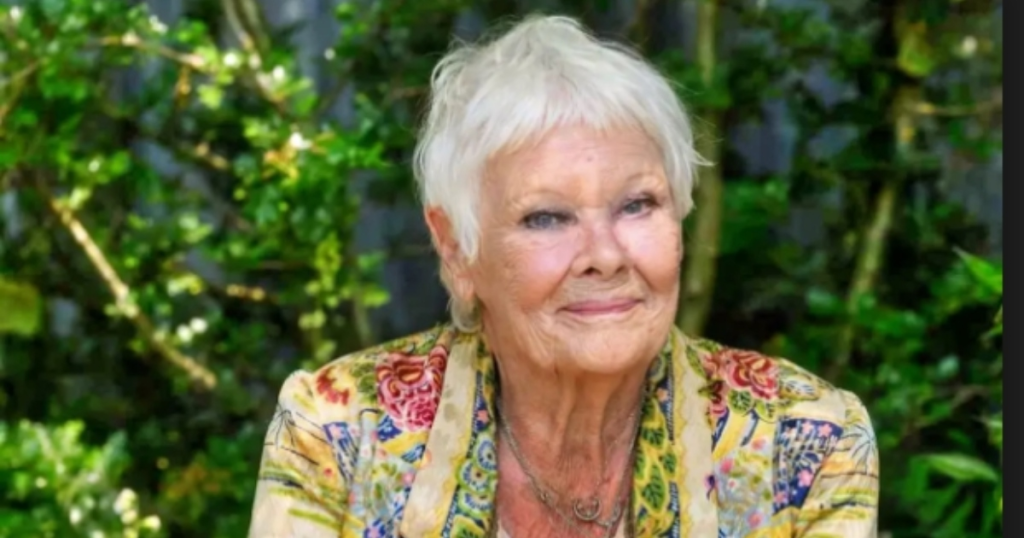
For generations of moviegoers, Judi Dench has been one of those rare performers who seems to belong to more than one era at once.
Older audiences may remember discovering her through British television and theater long before Hollywood turned her into an international star. Others came to know her as the sharp, commanding M in the James Bond films, or through acclaimed performances in Shakespeare in Love, Mrs Brown, Chocolat, and Philomena.
Through all those years, Dench became known for something that cannot be manufactured: presence.
Now, at 90, the celebrated actress has spoken candidly about a very different chapter of her life — one shaped by worsening eyesight and the practical adjustments that come with it. Dench has lived with age-related macular degeneration, commonly called AMD, since publicly discussing the diagnosis in 2012.
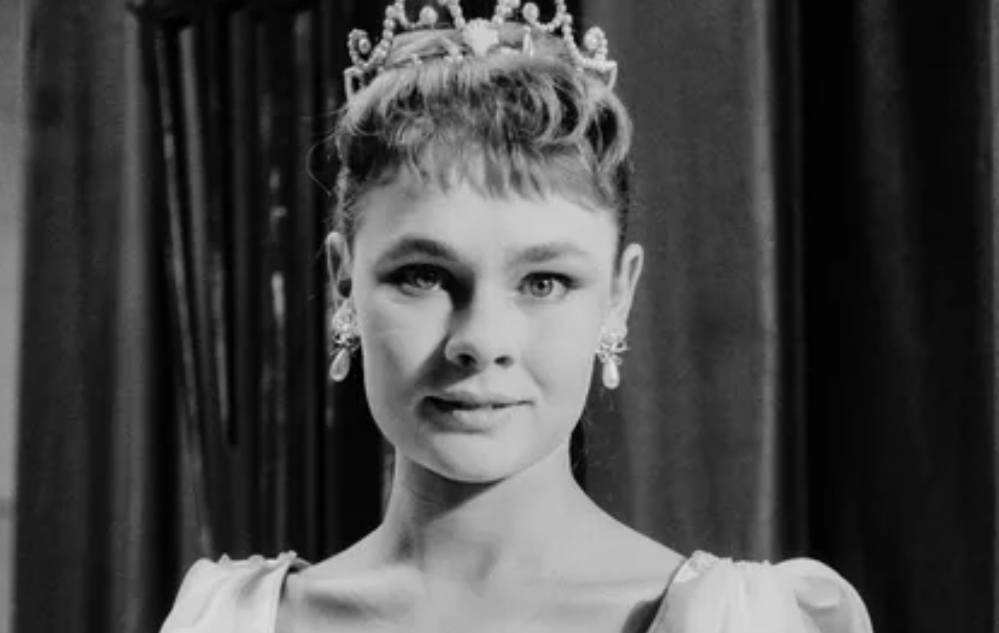
A Familiar Face From Another Era
There is something especially poignant about hearing Dench discuss difficulties with recognizing faces.
For decades, hers has been one of the most recognizable faces in British entertainment.
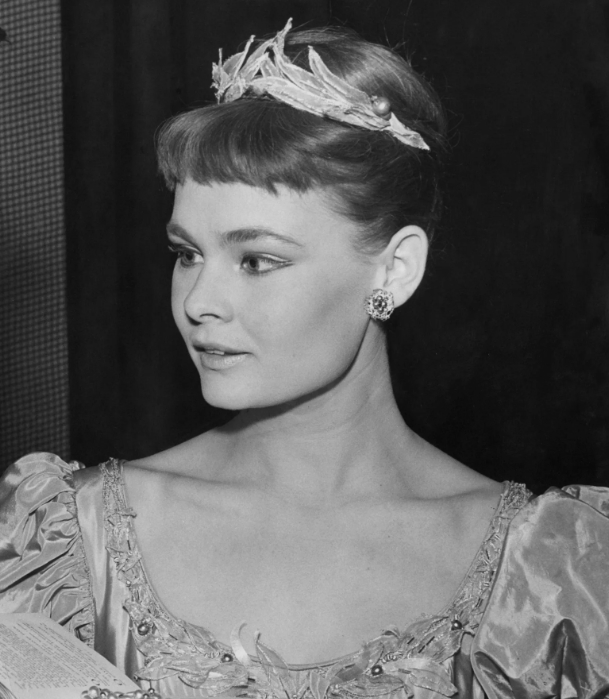
Her career stretches back to a time when television sets were pieces of living-room furniture, movie nights felt like an occasion, and stars were often discovered slowly — through stage performances, newspaper reviews, and word of mouth rather than social media.
Long before streaming services and smartphones changed entertainment, Dench was already building a reputation for intelligence, wit, and extraordinary command of language.
Those qualities eventually carried her from the British stage to international cinema.
Her Eyesight Has Changed Everyday Life
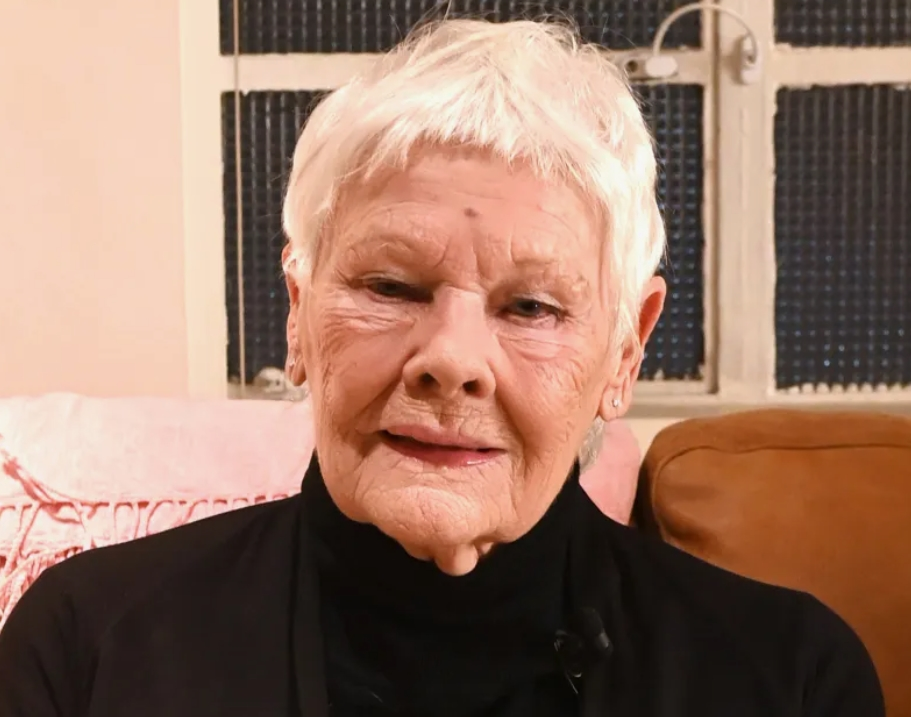
Dench has explained that her vision has deteriorated substantially as a result of AMD. In a 2025 interview, she said she could no longer watch television or read normally and had difficulty recognizing people.
At one point, she joked that she could identify longtime friend Ian McKellen partly because of a familiar scarf.
That detail says much about the way Dench has approached the subject.
Rather than presenting herself only through sadness, she has frequently used humor to describe the unexpected situations created by poor eyesight — including accidentally greeting people she does not know.
It is the kind of humor many longtime fans will recognize immediately.
Dench has always possessed the ability to deliver even a serious observation with a mischievous edge.
What Age-Related Macular Degeneration Means
Age-related macular degeneration affects central vision, which people rely on for tasks such as reading and recognizing faces.
Dench first publicly discussed living with the condition in 2012. Over the years, she has described how changes in her eyesight gradually made ordinary activities more difficult.
For readers experiencing vision changes themselves, Dench’s story may feel particularly familiar.
The details are deeply personal, but the broader experience — adapting routines, accepting assistance, and finding new ways to continue enjoying daily life — is one shared by many families.
Her experience should not be taken as medical guidance, of course. Anyone concerned about changes in eyesight should speak with an appropriate eye-care professional.
Even Learning Lines Had to Change
One of the most striking consequences involved something Dench had done almost instinctively throughout her career: learning scripts.
She has previously described having a strong visual memory that helped her remember pages of dialogue. As her eyesight worsened, that familiar method became increasingly difficult.
Instead, Dench began relying more heavily on friends and colleagues reading lines aloud repeatedly so she could memorize them through repetition.
For an actress whose career has been built around Shakespeare, theater, and dialogue-rich films, that adjustment was significant.
Still, Dench resisted the idea that the change automatically meant giving up.
Over the years, she repeatedly spoke about finding alternative ways to work for as long as possible.
A Career That Became Part of Movie History
To appreciate why Dench’s latest comments have touched so many people, it helps to remember just how long audiences have been watching her.
She was already an established stage actress decades before many American moviegoers became familiar with her.
Then came a remarkable late-career surge in international cinema.
To audiences of the 1990s, Dench became instantly associated with James Bond after taking over the role of M.
There was something memorable about seeing this compact, elegant British actress calmly command rooms filled with spies, government officials, and danger.
Then, in Shakespeare in Love, she demonstrated how little screen time a great performer needs to leave a lasting impression.
Her role as Queen Elizabeth I earned her an Academy Award, helping introduce her to an even larger American audience.
Why Her Story Feels Personal to Longtime Fans
Aging is rarely shown realistically in entertainment.
Hollywood has traditionally been fascinated with youth, reinvention, and polished appearances. That can make it especially meaningful when a performer with Dench’s stature speaks plainly about getting older.
Her comments are not really about celebrity.
They are about adaptation.
Needing someone beside you when going out, struggling with activities that once felt effortless, or depending more heavily on friends can be emotionally complicated at any age.
Dench has said that worsening sight means she no longer goes out alone because she worries about bumping into things or falling.
For families supporting aging parents or spouses, those words may sound familiar.
The Humor Has Never Entirely Disappeared
Perhaps the most reassuring part of Dench’s public conversations about eyesight is that her personality still comes through.
The same dry humor audiences remember from interviews decades ago remains present.
She has not pretended that losing vision is easy.
But neither has she allowed the subject to erase everything else about her.
There is laughter.
There are friendships.
There are memories of the stage.
And there is the unmistakable sense that the woman speaking today is still the performer generations grew up watching.
More Than Seven Decades of Memories
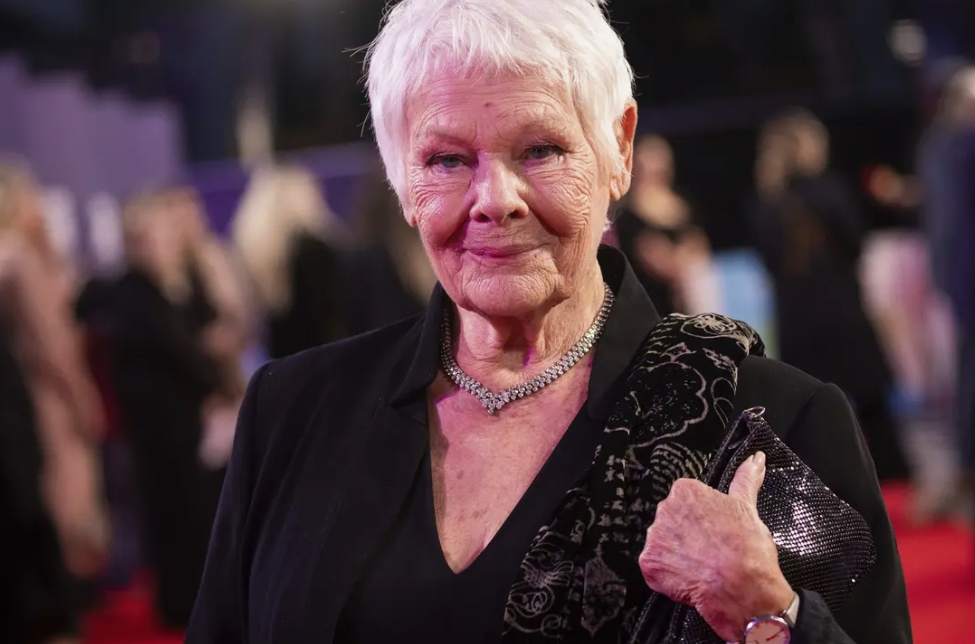
For older movie lovers, Judi Dench represents something increasingly rare: continuity.
Her career connects Shakespearean theater with prestige television, classic British cinema, modern Hollywood, and one of the longest-running film franchises in history.
She belongs to the world of velvet theater curtains and handwritten scripts, but also to multiplexes and streaming libraries.
That remarkable span explains why updates about her life resonate beyond ordinary celebrity news.
Viewers do not simply remember individual performances.
They remember where they were when they watched them.
A Bond movie with family.
A Sunday-night television drama.
A favorite film discovered on VHS or DVD.
Perhaps even an evening at the theater decades ago.
A Different Kind of Strength
Dench’s eyesight has undoubtedly changed the rhythm of her life and work. Yet the larger story is not simply one of loss.
It is also about adjustment.
She has accepted help when necessary, altered the way she learns material, and continued speaking publicly with humor about circumstances that would understandably frustrate anyone.
There is something fitting about that.
After spending a lifetime portraying queens, spies, mothers, widows, eccentrics, and women facing difficult choices, Judi Dench now reminds audiences of a quieter form of courage.
Sometimes strength is not dramatic at all.
Sometimes it means accepting an offered arm, recognizing a friend by his voice or scarf, laughing at an awkward encounter, and finding another way forward when the old way no longer works.
For millions who have watched her across the decades, that may be one of her most memorable lessons yet.