
Some songs are about love.
Some are about heartbreak.
And then there are songs where the heartbreak is happening inside the band recording them.
That is what makes “Go Your Own Way” so fascinating.
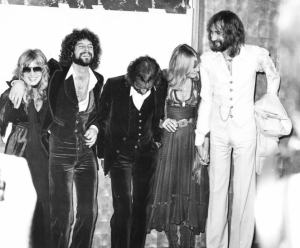
Released in 1977, the song became one of Fleetwood Mac’s signature recordings and helped establish Rumours as one of the defining albums of the 1970s. But behind the powerful guitars and unforgettable chorus was a very real breakup between two people who still had to walk into the same studio and make music together.
The song was written by Lindsey Buckingham during the collapse of his relationship with Stevie Nicks.
The two had been together for years before joining Fleetwood Mac. By the time the band began recording Rumours, their relationship was falling apart.
And there was no escaping each other.
They were in the same band.
They were recording the same album.
They were surrounded by friends and fellow musicians who knew exactly what was happening.
Instead of keeping those emotions out of the studio, Buckingham turned them into a song.
The opening guitar immediately sets the tone.
Then comes the line that makes the song so recognizable:
“You can go your own way.”

It sounds like a simple breakup message.
But there was much more behind it.
Buckingham was writing about the end of his relationship with Nicks while she was still standing only a few feet away from him in the studio.
And some of the lyrics were painfully direct.
Nicks later made it clear that certain lines were particularly difficult for her to hear, especially because they reflected Buckingham’s feelings about their relationship in a very personal way.
Imagine trying to record a song about your breakup while your former partner is right there.
Then imagine having to sing backup vocals on it.
That was Fleetwood Mac.
The tension wasn’t limited to Buckingham and Nicks.
The entire band was going through personal turmoil while making Rumours. Relationships were breaking down, marriages were ending, and the members were dealing with enormous pressure while attempting to create an album together.
Yet somehow, that chaos became part of the music.
“Go Your Own Way” captured the anger, sadness, freedom, and resentment that come with realizing a relationship has reached its end.
And listeners connected immediately.
The song became a major hit and one of Fleetwood Mac’s most recognizable recordings.
But its story makes it even more remarkable.
Because when you hear it today, it’s easy to imagine it as simply a great rock song.
You hear the drums.
You hear the guitars.
You hear that unforgettable chorus.
But behind it was something very real.
Two people who had loved each other were trying to figure out how to move forward while continuing to work together.
More than four decades later, the song still feels incredibly personal.
Maybe that’s why it continues to resonate.
Almost everyone has experienced a moment when someone they once loved became a person they had to learn to live without.
Sometimes the hardest part isn’t saying goodbye.
It’s having to see that person again and again while pretending everything is fine.
Fleetwood Mac turned that uncomfortable reality into music history.
And every time “Go Your Own Way” starts playing, you’re not just hearing a breakup song.
You’re hearing the sound of two people trying to turn heartbreak into something that would last forever.