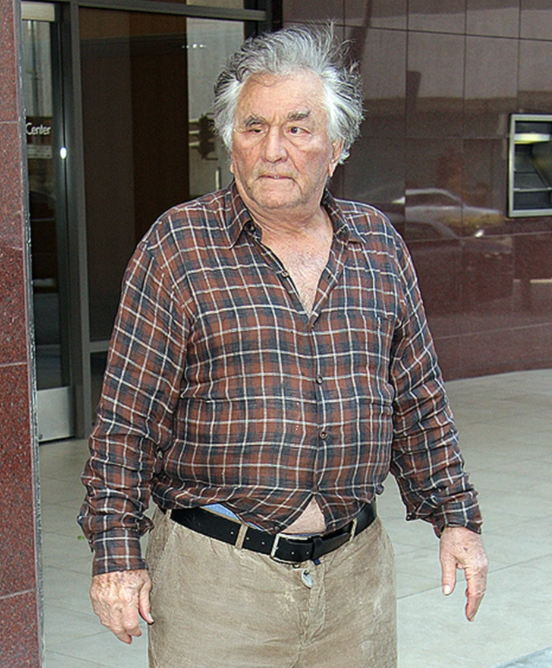
In the shifting, amber light of a 2026 retrospective, the image of Peter Falk invites something deeper than nostalgia—it becomes a meditation on craft, identity, and the quiet cost of sustaining brilliance across a lifetime.
To revisit Falk now is to move beyond the quick, familiar rhythms of his most famous role and into a more contemplative space, where legacy is not measured in applause but in endurance.
The man who once animated screens with restless curiosity and sly humor now exists in memory and reflection as a figure of remarkable density—an artist whose presence lingers long after the final scene fades.
 The foundation of that presence was forged through a kind of theatrical excellence that reshaped the very structure of television storytelling.
As Lieutenant Columbo in Columbo, Falk did more than portray a detective—he dismantled and rebuilt the genre from within.
Where traditional mysteries relied on suspense and surprise, Columbo inverted the formula, revealing the culprit from the outset and shifting the focus to psychological unraveling.
Falk’s performance became the engine of that innovation.
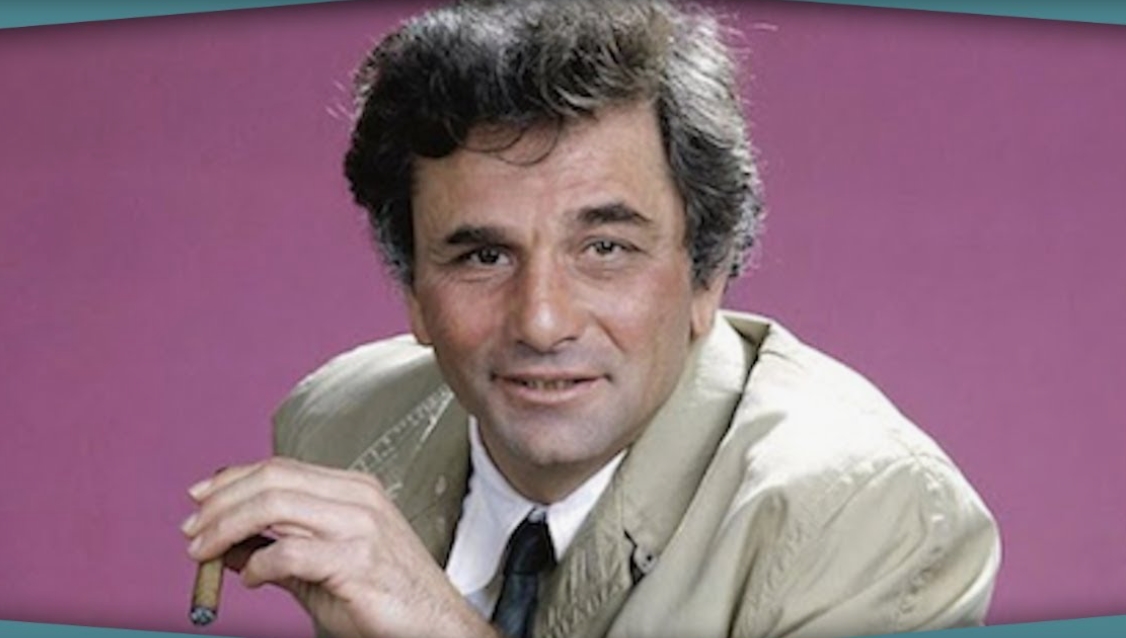
With his rumpled coat, wandering cadence, and the iconic refrain of “just one more thing,” he transformed investigation into an art of patience, intuition, and human understanding.
It was not force that solved the crime, but attention—an almost philosophical insistence on truth.
What made Falk extraordinary was not just the character, but the intelligence behind it.
He approached Columbo with a deliberate subtlety, allowing pauses, glances, and silences to carry as much weight as dialogue.
This restraint created a sense of authenticity that resonated deeply with audiences. The character felt lived-in, imperfect, and profoundly real.
Over decades, Falk sustained this balance, ensuring that Columbo never became a caricature, but remained a dynamic reflection of curiosity and moral persistence.
In doing so, he established a standard for television acting that continues to influence the medium today.
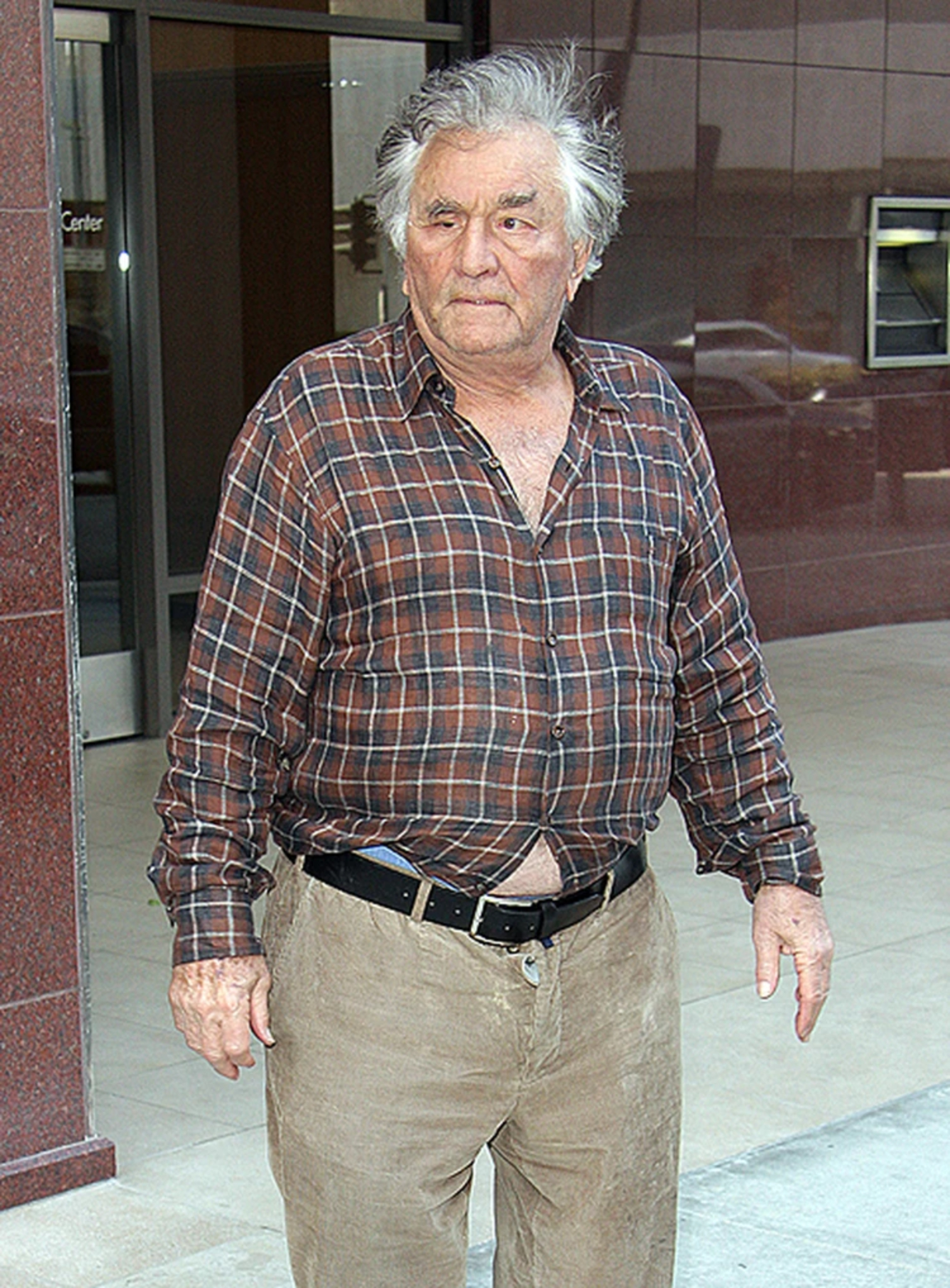
 Yet a life in the public eye inevitably gives way to more private chapters, and Falk’s later years reveal a different kind of narrative—one shaped not by performance, but by care.
As his health declined, his daughter Catherine Falk became a central figure in ensuring his well-being.
Her efforts to secure guardianship were not simply legal maneuvers; they were acts of devotion, rooted in the desire to protect a man whose legacy belonged as much to his family as it did to the public.
Navigating the complexities of the Los Angeles court system, she demonstrated a resilience that mirrored the very qualities her father once embodied on screen: persistence, clarity of purpose, and an unwavering commitment to what is right.
This transition—from global icon to a life defined by protection and intimacy—can be difficult to reconcile in a culture that often celebrates visibility above all else.
But in Falk’s case, it offers a different kind of insight. It reveals that the final chapters of a storied life are not about diminishing significance, but about redefining it.
The same integrity that guided his performances finds a parallel in the care he received, suggesting that legacy is not only what we create, but how we are held by those closest to us.
 There is also something quietly poetic in this evolution. Falk spent decades portraying a man who sought truth with relentless patience, peeling back layers until clarity emerged.
In his later years, that pursuit of truth took on a more personal dimension—reflected in the efforts of his family to ensure that his reality remained safe, dignified, and grounded.
It is a shift from public narrative to private meaning, from performance to presence.
As we consider Peter Falk in the context of 2026, what stands out is not a single role or accolade, but the continuity of character that defined his life.
He remains a beacon for those who value substance over spectacle, curiosity over certainty.
His work continues to resonate because it was never superficial; it was rooted in a genuine engagement with human complexity.
 He did not simply play memorable characters—he created a body of work that invites reflection, that asks audiences to look closer, to listen more carefully, to question what seems obvious.
And in the way his legacy has been preserved—with care, with intention, with love—there is a final, unspoken lesson.
The greatest mystery is not the one solved on screen, but the one lived: how to move through time with integrity, and how to ensure that, in the end, what remains is not just memory, but meaning.