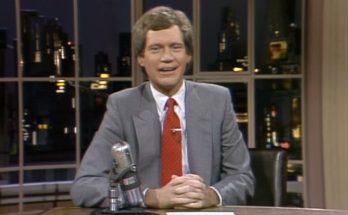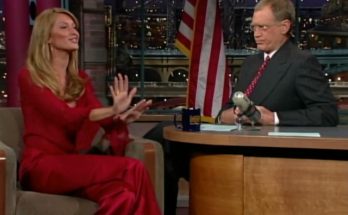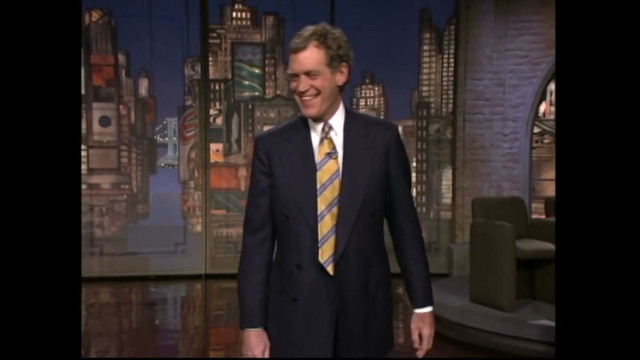
The chaotic energy of late-night television was never meant to be polite, predictable, or neatly scripted. Behind the control room monitors, a relentless team transformed accidental blunders into cultural milestones for millions of viewers.
Robert Morton joined the groundbreaking production in late 1981, stepping into the high-pressure studio environment before the show even premiered. He quickly advanced from an ambitious segment producer into the executive producer seat across both major networks.
For fourteen years, Morton orchestrated the wild creative machinery alongside host David Letterman. Their working relationship thrived on unexpected friction, technical catastrophes, and an utter refusal to follow traditional talk show conventions.
Studio tapings often abandoned polished scripts whenever real life offered something far more ridiculous. The production team understood that audience intrigue soared whenever an elaborate broadcast routine visibly unraveled on live camera.
Mentalist guests provided a continuous stream of unintentional comedy throughout those formative years. While producers booked them to showcase supernatural precision, the live demonstrations routinely collapsed under the unforgiving stage lights.
Props malfunctioned, telepathic readings missed their marks completely, and illusionists struggled visibly to maintain their stoic personas. Instead of editing out the awkward failures, Letterman magnified the blunders with sharp, relentless wit.
Morton vividly remembered how these disastrous illusions became some of the most anticipated segments on the calendar. Viewers tuned in not to see genuine magic, but to watch proud performers crash against reality.
The stage became a battleground where grand theatrical ego met merciless comedic improvisation. Every failed spoon bend or botched mind-reading attempt elevated the program above its polished late-night competitors.
The show also courted genuine controversy when producers invited hypnotist Marshall Sylver to demonstrate mass trance techniques. Network broadcast standards strictly warned against using live hypnotic chants that might inadvertently affect vulnerable television viewers at home.
The legal department feared that viewers watching the broadcast across the country could fall into a sudden trance. Production leaders faced immense pressure from executives who insisted that rigid hypnotic language had to be altered immediately.
Letterman treated the corporate anxiety as comedy fuel, openly mocking the network cautions during the broadcast. The tension between regulatory panic and late-night irreverence created an electric atmosphere that defined the show’s rebellious reputation.
Morton observed that corporate interference always provided the writers with their finest satirical material. By acknowledging the legal absurdity on air, the host invited viewers into an exclusive, subversive club.
Morton did not just manage the madness from behind the camera; he was frequently dragged into the spotlight. Writers regularly drafted the reluctant producer into bizarre sketches, forcing him to participate in strange parody commercials.
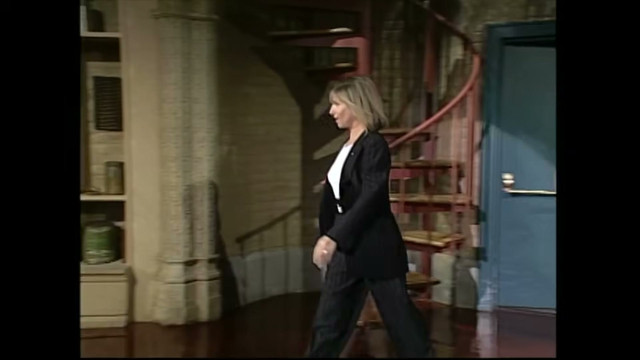
In one memorable segment, Morton appeared alongside child actors to deliver a ridiculous commercial spoof. The sketch spawned an absurd recurring catchphrase that echoed through the studio corridors for months afterward.
Morton found himself recognized on Manhattan streets by fans repeating the foolish line back to him. The humiliation was total, but the creative team celebrated any bit that broke the traditional television barrier.
He learned early on that personal dignity was a disposable commodity within the studio walls. Any staff member could become the punchline if it meant generating genuine laughter from the studio audience.
Nothing inside the studio remained off-limits, including the physical ailments of the beloved production staff. Legendary announcer Bill Wendell inadvertently triggered one of the most famous running gags in late-night broadcast history.
During a tense taping, Wendell experienced severe digestive troubles that created distinct, disruptive noises near his off-camera microphone. The control room erupted into muffled laughter as the crew struggled to maintain their professional composure.
Letterman refused to ignore the backstage distraction and immediately halted his planned monologue. He informed the home audience that the studio was suffering from an invisible, toxic phantom gas leak.
The host continued the joke throughout the entire broadcast, sniffing the air with profound mock concern. Wendell sat in his announcing booth, simultaneously embarrassed and delighted as his bodily mishap became an instant comedic legend.
The audience had no idea that a real biological incident had prompted the bizarre running bit. The crew marvelled at Letterman’s ability to turn a backstage embarrassment into an unforgettable hour of entertainment.
When network executives handed the production a massive budget for its fourth anniversary milestone, the team avoided traditional celebrations. Rather than throwing a star-studded gala, they decided to take the entire production into the sky.
Producers rented a commercial passenger jet and loaded it with cameras, audio cables, and bewildered passengers. The crew taped an entire broadcast while soaring thousands of feet in the air from New York to Miami.
Turbulence violently rattled the cameras as Letterman interviewed guests in the cramped center aisle of the aircraft. Morton coordinated the frantic logistics, managing broadcast equipment squeezed into tiny overhead compartments and narrow passenger rows.
Flight attendants attempted to serve regular airline meals while the host delivered comedic routines to startled commuters. The airborne episode proved that late-night television could transcend the physical boundaries of a conventional Manhattan studio.
The technical crew battled engine noise, cabin pressure changes, and unstable camera mounts throughout the journey. Despite the overwhelming logistical nightmare, the finished broadcast stood as a testament to Morton’s audacious production ambition.

Back on the ground, live television continued to deliver unexpected logistical nightmares that required rapid improvisation. Last-minute guest cancellations posed a constant threat to the lineup, leaving valuable minutes of airtime completely empty.
When booked talent abruptly backed out right before airtime, Letterman turned his gaze toward his own staff. Morton was routinely thrust into the hot seat, forced to sit beside the host without any preparation.
During one memorable emergency, Letterman decided to interrogate Morton about his private romantic life. A production assistant had discreetly handed the host a stack of personal vacation photographs featuring Morton and his recent ex-girlfriend.
Letterman displayed the intimate holiday snapshots directly to the studio audience and the national television cameras. Morton squirmed in the guest chair, desperate to change the subject while the host meticulously analyzed every photograph.
The unscripted roast exposed the producer’s real-life heartbreak for cheap laughs, yet Morton understood the brilliant theater of it. Audiences loved seeing the powerful producer rendered completely helpless under Letterman’s ruthless comedic examination.
The segment highlighted the total lack of vanity that defined the entire production staff. Everyone understood that emotional discomfort was a fair price to pay for transcendent, unscripted television comedy.
Beyond the workplace pranks, the program established itself as an essential launchpad for boundary-pushing stand-up comedians. Young comics viewed an appearance on the show as the ultimate validation of their craft and unique comedic voice.
Morton combed comedy clubs across the country, seeking out original voices who dared to defy standard punchline structures. The show welcomed strange, experimental performers who alienated traditional audiences but thrilled late-night television purists.
A single successful set on the broadcast could alter a struggling comic’s entire career trajectory overnight. Morton took immense pride in providing those opportunities, knowing the program championed fearless artistic originality above commercial safety.
The transition from NBC to CBS brought even bigger budgets and higher stakes, yet the underlying creative anarchy remained unchanged. Morton guarded that chaotic spirit fiercely, ensuring that corporate oversight never sanitized the program’s signature irreverence.
Backstage blunders were never treated as shameful errors to be hidden beneath glossy edits. Instead, every dropped prop, microphone failure, and personal embarrassment served as raw material for an ongoing comedy masterpiece.
Morton’s reflections paint a portrait of an era when television took genuine risks without fear of instant digital backlash. The crew lived on the edge of broadcast disaster every single night, finding humor within the unpredictable real world.
Through bizarre sketches, airborne tapings, and unvarnished personal exposure, Morton and Letterman dismantled late-night television traditions. Their fourteen-year partnership proved that the greatest broadcast moments are often the ones nobody could ever plan.