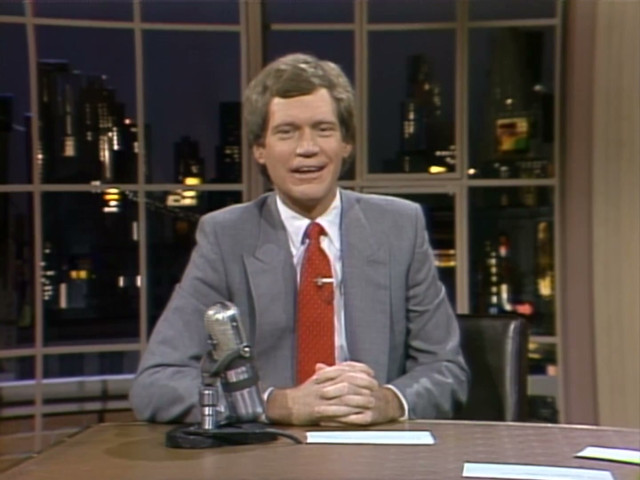
Studio 6A inside Rockefeller Center hummed with nervous anticipation on an autumn evening in October 1983. The underground energy of late-night television was shifting rapidly as an irreverent host prepared to disrupt traditional broadcasting conventions.
Network executives often preferred safe banalities, but this stage belonged entirely to deadpan rebellion. Viewer correspondence had long served as a polite staple for network variety programs across the United States.
Yet on this particular broadcast, routine fan inquiries became raw ammunition for blistering satire and theatrical mockery. The host leaned over his wooden desk with a characteristic smirk to introduce the weekly segment.
He deadpanned to the audience that this Thursday ritual was not optional, but rather mandated directly by the United States Congress. The studio crowd erupted into laughter at the sheer audacity of the fabricated legislative decree.
It established an immediate tone where traditional journalistic decorum surrendered completely to subversive comedy. The first piece of mail brought an immediate grievance from a bitterly dissatisfied home viewer.
The disgruntled writer claimed that an earlier episode of the show had completely failed to deliver a single amusing moment. Without missing a beat, the host reached for an archival issue of TV Guide to dismantle the critique with razor-sharp timing.
He calmly revealed that the broadcast in question had actually been preempted by maritime anniversary coverage celebrating the St. Lawrence Seaway.
The studio audience roared as the host displayed the printed programming schedule with mock solemnity. The complainant had wasted valuable energy judging an educational documentary about locks and shipping lanes instead of a late-night comedy program.
Rather than offering an apology to the confused viewer, the host gleefully weaponized the clerical error. He treated the interaction as definitive proof that television critics rarely bother to examine the actual facts before venting their frustrations.
The camera then shifted focus toward an escalating grievance regarding studio logistics and audience privileges. A frustrated ticket holder had written in to complain about the seating arrangements inside the historic Manhattan facility.
The writer argued that spectators who endured outrageous Manhattan garage fees deserved the most prominent seats in the house. The host seized upon the complaint, leaping up from behind his desk to interrogate the front row patrons directly.
He thrust his handheld microphone toward the faces of startled spectators seated mere inches from the stage floor. With faux journalistic intensity, he demanded to know precisely how much money each person had spent to park their vehicles that day.
 One nervous attendee confessed to parting with an astonishing sum of twenty dollars for just a few afternoon hours. Another spectator raised the stakes even higher, bragging about an astronomical garage tab that drew gasps from the bleachers.
The host concluded that studio seating operated on pure economic meritocracy rather than democratic equality. Those who endured the cruelest financial punishment from Midtown parking garages rightfully earned their place within spitting distance of the performance.
The segment transitioned into physical slapstick when a letter from an ambitious college student arrived on the desk. The young fan suggested that the production crew should abandon their comfortable studio confines and take the broadcast on the road.
The host embraced the suggestion with perverse literalism, unveiling pre-taped footage of his vision for a traveling show. Instead of a glamorous concert venue, the host stood directly beside an active, rain-soaked highway shoulder in foul weather.
Dressed in his standard suit, he clutched a wired microphone while speeding tractor-trailers roared past his elbow. Every passing vehicle sprayed filthy road water against his clothing and across the lens of the struggling camera crew.
He persisted in delivering traditional monologue jokes into the howling wind while dodging oncoming traffic. The stark contrast between network television polish and miserable roadside reality provoked sustained hilarity among the indoor spectators.
The chaotic highway demonstration completely demolished the romantic fantasy of taking an unscripted talk show across the nation. It underscored the host’s extraordinary willingness to subject his body to physical discomfort to land a single visual punchline.
Back inside the dry confines of Studio 6A, the host introduced a letter questioning the psychological mechanics of television tapings. A curious fan asked how an afternoon audience could possibly generate the manic energy expected of a midnight broadcast.
Because the show recorded hours before its late-night time slot, daytime spectators routinely required artificial emotional stimulation. To solve the mystery, the host shared alleged archival footage exposing the production’s bizarre warm-up procedures.
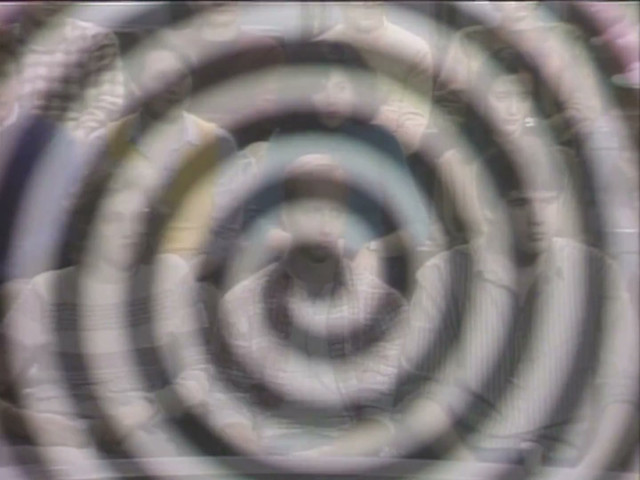
The monitor revealed a backstage staging area where an assistant manipulated a massive, spinning optical wheel covered in dizzying concentric rings. The audience sat entranced as hypnotic commands urged them to abandon the daylight and surrender to late-night frenzy.
The host warned home viewers never to look directly into the spiraling television graphic during the taped segment. He jokingly cautioned that the optical mechanism could permanently distort temporal perception through cathode-ray screens across America.
The satirical display mocked the television industry’s obsession with focus groups, psychological priming, and engineered crowd enthusiasm. By exposing the synthetic nature of audience reactions, the host made the actual studio crowd feel like willing co-conspirators in the prank.
 The comedic escalation reached a fever pitch when the host opened an emotional appeal from a devoted mother. The woman explained that her young son desperately yearned for authentic autographs from two of his favorite rock music icons.
Her specific targets were Rolling Stones frontman Mick Jagger and rock vocal powerhouse Pat Benatar. Traditional broadcasters would have gently declined the request or reached out through official record label channels to secure the memorabilia.
The late-night host chose a far more devious and immediate solution to resolve the mother’s dilemma. He called production assistant Marie O’Donnell onto the stage, where she arrived carrying black markers and promotional glossy headshots.
With zero hesitation, the assistant sat down and began forging the signatures of the world-famous rock stars on national television. She scrawled flamboyant, fraudulent cursive across the glossy surfaces while the studio audience watched in delighted shock.
The host hovered over her shoulder, dictating increasingly absurd and affectionate personal dedications to accompany the counterfeit signatures. He encouraged her to pen intimate notes that made it appear as though the legendary musicians shared personal secrets with the child.
The fabricated Mick Jagger photograph included a bizarre, customized inscription that shattered the rock star’s brooding swagger. Pat Benatar’s autographed portrait received an equally comical treatment, turning the rock royalty into an overeager family acquaintance.
The open forgery bit subverted the sacred commodity of celebrity memorabilia with merciless efficiency. The host held up the finished counterfeits with pride, promising to drop them straight into the mail for the lucky child.
The sketch proved that in this late-night universe, authenticity mattered far less than delivering an unvarnished comedic spectacle. The assistant took a modest bow before departing the stage, leaving the audience breathless with laughter over the brazen stunt.
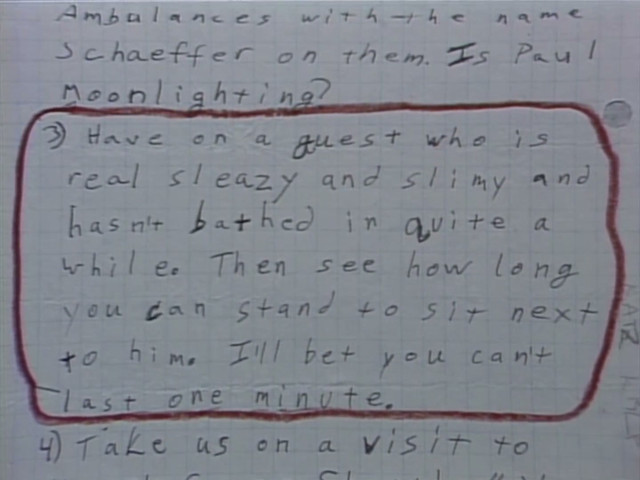
The host shuffled his remaining index cards, preparing to dive into one last letter before the commercial break intervened. The final piece of correspondence raised an unhygienic question concerning the personal grooming habits of studio guests.
Before the host could unpack the provocative premise, the segment came to an abrupt, jarring conclusion. The sudden interruption left the audience hanging on the precipice of another taboo topic, highlighting the program’s unpredictable pacing.
This legendary October 1983 broadcast captured an era when television could still surprise and disorient its viewers. By treating viewer letters as launchpads for satire, the host turned audience correspondence into an art form of defiant deconstruction.
Decades later, the absurd sketches and counterfeit autographs remain a masterclass in anti-television rebellion. The program refused to treat the medium as sacred, creating a comedic legacy that reshaped late-night entertainment forever.