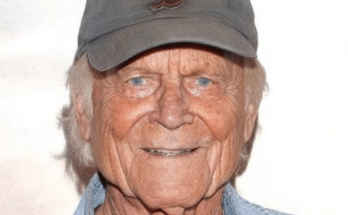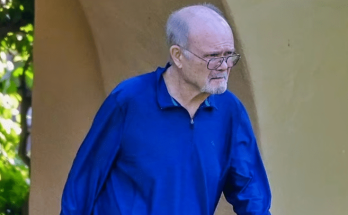
A casual photograph of Mickey Rourke running errands in Beverly Hills may look very different from the images many movie fans remember. There are no studio lights, tailored suits, boxing gloves, or dramatic close-ups—only an actor moving through an ordinary day.
But an everyday picture cannot tell the full story of a career as unusual as Rourke’s.
For decades, Mickey Rourke has been one of Hollywood’s most unpredictable performers. He arrived as a striking young actor in the 1980s, stepped away from film to pursue boxing, and then made one of modern cinema’s most celebrated comebacks in The Wrestler.
His career has never followed an easy path. That is precisely why audiences continue to find it memorable.
The Early Roles That Made Him a Star
Mickey Rourke emerged in the early 1980s with a screen presence that was hard to ignore. He could seem guarded and intense, yet he also brought vulnerability to characters who might otherwise have appeared distant or difficult to understand.\

His early work in films such as Diner, Rumble Fish, and The Pope of Greenwich Village drew attention from audiences and filmmakers alike. He did not fit neatly into the polished leading-man image of the period.
Instead, Rourke brought something rougher and more unpredictable to the screen. His characters often seemed to carry private burdens, unspoken anger, or a need to be understood.
That quality made him especially compelling in 9½ Weeks, the 1986 drama in which he starred opposite Kim Basinger. The film became one of the most talked-about titles of its era and helped establish Rourke as a major Hollywood name.
A Performer Who Refused to Be Easily Categorized
During the 1980s, Rourke appeared ready to become one of the defining actors of his generation. Yet he often seemed uncomfortable with the expectations that came with that kind of fame.
Hollywood tends to reward artists who repeat what has worked before. Rourke’s choices, however, suggested a person more interested in intensity than predictability. He moved between crime dramas, romantic stories, and character-driven films, bringing a restless energy to each role.

That same independence sometimes made his professional path more difficult. His reputation and career direction shifted over time, and by the early 1990s, he made an unexpected decision: he stepped away from acting to return to a sport he had trained in when he was younger.
Trading Movie Sets for the Boxing Ring
Before becoming an actor, Mickey Rourke had trained as a boxer. In the early 1990s, he returned to the sport professionally, taking part in several bouts.
Boxing was not a publicity stunt for him. It was demanding, physical work that came with real risks. The years he spent in the ring affected his body and changed how audiences saw him.
The decision also separated him from the straightforward Hollywood comeback stories built around constant visibility and polished career planning. Rourke was willing to step away from the industry at a time when many actors would have tried to preserve their place in it.
His boxing chapter became an important part of his larger story because it reflected the same uncompromising quality visible in his acting. He did not always choose the safer road, but he committed fully to the choices he made.
The Role That Brought Him Back

In 2008, Rourke returned to wide critical attention with The Wrestler, directed by Darren Aronofsky.
He played Randy “The Ram” Robinson, an aging professional wrestler trying to find purpose, connection, and dignity after the height of his career had passed. The role drew on themes of physical struggle, regret, aging, and the need for a second chance.
Rourke’s performance was raw, tender, and deeply felt. It reminded audiences of the emotional range that had made him so compelling in his earlier films.
The role earned him a Golden Globe Award, a BAFTA Award, and an Academy Award nomination for Best Actor. More importantly, it gave viewers a powerful example of what a truly meaningful comeback can look like.
The Wrestler was not simply a return to fame. It was a performance that allowed Rourke to bring years of experience, hardship, and personal history into a character who needed all of those qualities to feel real.
A Career That Continued to Take Surprising Turns
After The Wrestler, Rourke continued appearing in films that ranged from action stories to smaller independent projects. He brought his familiar intensity to roles in movies such as The Expendables 2, Iron Man 2, and Sin City.
He also made a brief appearance on the British reality series Celebrity Big Brother in 2025. The experience ended early after producers cited inappropriate language and behavior. Rourke later said he was ashamed of his conduct and acknowledged that he needed to do better.
That moment should not be ignored, but neither should it erase the larger record of his work. Public figures can be held accountable for harmful behavior while their careers are still discussed honestly and in full context.
Rourke’s life has included achievements, setbacks, difficult choices, and moments that demanded reflection. That complexity is part of what makes his story different from a simple Hollywood success narrative.
Why Mickey Rourke’s Performances Still Matter
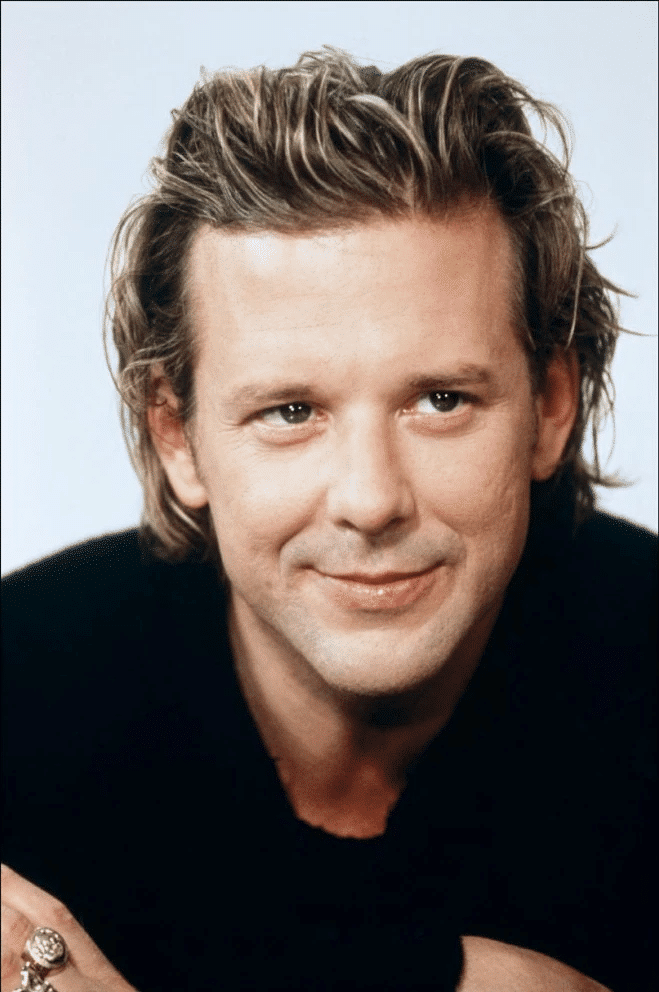
Mickey Rourke remains important to movie fans because his strongest performances feel lived-in. He does not appear to be demonstrating emotion from a distance. He makes characters feel like people who have already lived complicated lives before the scene begins.
That was true in his early work, and it was especially true in The Wrestler. His best roles are memorable because he understood how to let silence, posture, and small changes in expression carry as much meaning as dialogue.
The relaxed Beverly Hills photographs may show a man far from the image audiences remember from 1980s films or awards-season red carpets. But people change, careers change, and everyday life should not be treated as a test of whether a performer still resembles an old publicity still.
A Legacy Built on Risk and Resilience
The better way to remember Mickey Rourke is through the risks he took as an artist.
He became a Hollywood star, walked away from acting, entered the boxing ring, and later returned with a performance that earned some of the highest praise of his career. Few actors have traveled such a winding path.
For longtime viewers, Rourke’s story is not about a passing photograph. It is about a performer who never seemed fully comfortable with easy definitions—and whose best work remains a lasting reminder of how powerful a second act can be.