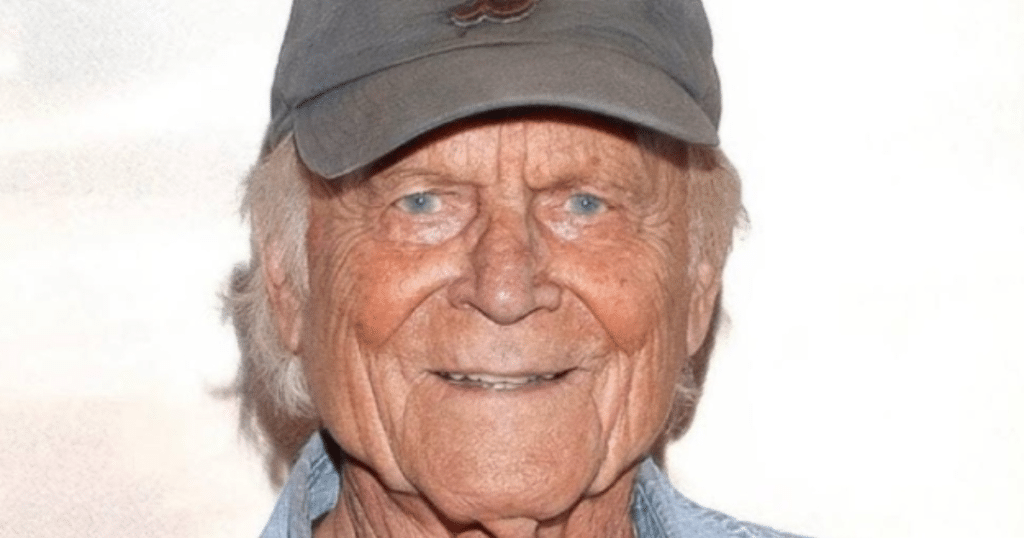
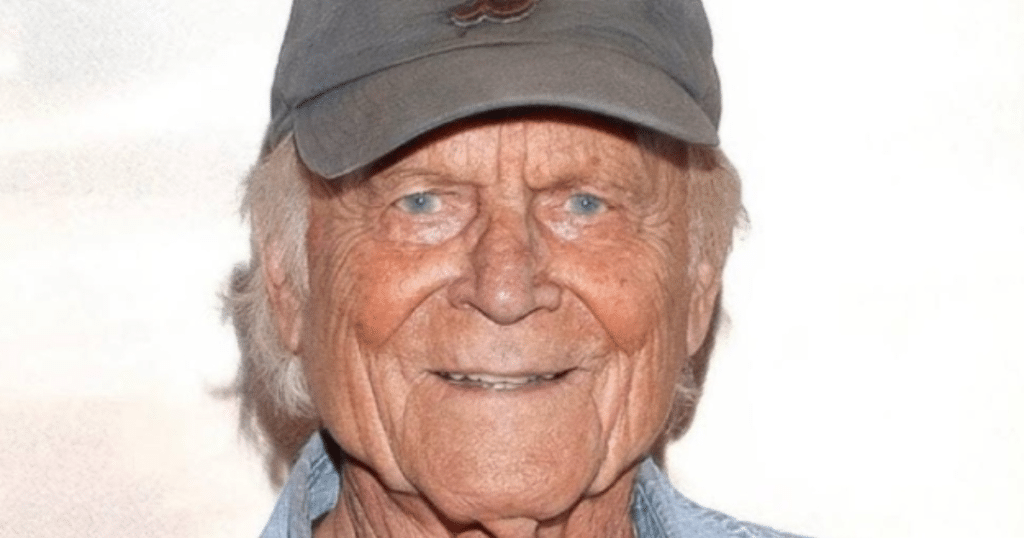
There are certain actors whose faces seem almost inseparable from the memories of an earlier Hollywood.
For movie fans who grew up during the 1970s, 1980s, and 1990s, seeing one of those familiar performers again can instantly bring back evenings at the neighborhood theater, VHS rentals on Friday nights, and television reruns watched with the family.
That is part of what makes recent photographs of veteran stars so compelling.
They do not simply show how someone looks today.
They remind us how much time has passed since we first saw them.
One such actor is Nick Nolte, whose rugged screen presence and unmistakable voice helped make him one of Hollywood’s most recognizable leading men.
Long before recent candid photographs sparked renewed interest in his career, Nolte was appearing opposite some of the biggest names in American movies and building a body of work that stretched from television drama to comedy, crime films, and deeply emotional character pieces.
Before Hollywood Fame, There Was a Long Road to the Screen
Nick Nolte did not arrive in Hollywood as an overnight sensation.
Like many performers of his generation, he spent years learning his craft and taking smaller roles before audiences began recognizing him on a larger scale.
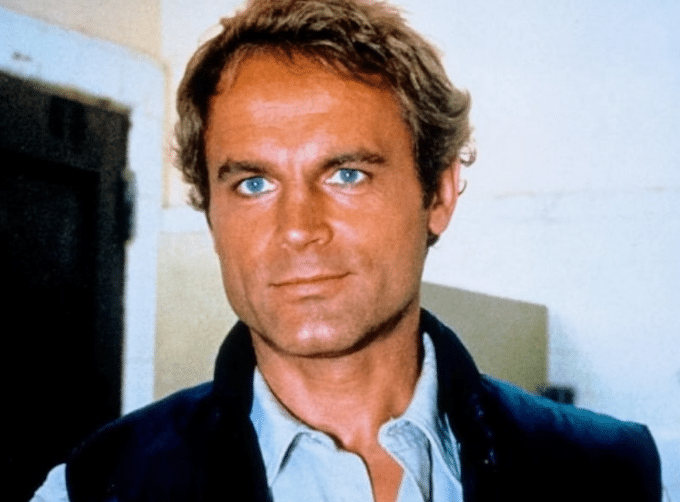
That gradual path was once much more common.
Actors could spend years working in theater, episodic television, or supporting parts before finally landing the opportunity that changed everything.
For Nolte, one of those turning points came with television.
His appearance in the 1976 miniseries Rich Man, Poor Man introduced him to a wide audience and helped establish the intensity that would become a defining characteristic of his later work.
It was the kind of television event older viewers may remember well.
Before streaming and on-demand entertainment, a major miniseries could become a national conversation. Families planned evenings around broadcasts, and missing an episode meant waiting for a rerun rather than simply pressing a button the next day.
Nolte emerged from that era with the kind of momentum that could open the doors to feature films.
The Rugged Leading Man Hollywood Was Looking For
By the late 1970s and early 1980s, Nolte had developed an unmistakable screen identity.
He was not the polished, perfectly groomed movie star traditionally associated with old Hollywood.
His appeal was rougher.
There was something lived-in about his performances.
He could play exhausted, stubborn, charming, volatile, or vulnerable characters without making them feel overly constructed.
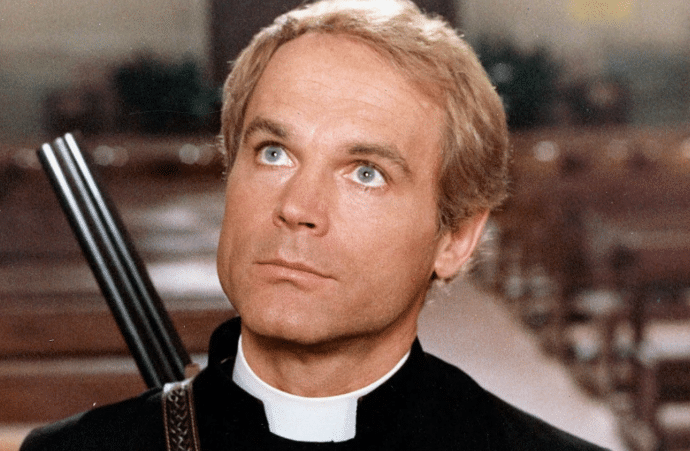
That quality made him particularly well suited to a period when American movies were moving toward more complicated leading men.
Audiences were increasingly interested in characters with flaws.
Heroes did not always have to look perfect.
They could make mistakes.
They could carry regrets.
And sometimes the most compelling person on screen was the one who seemed to have lived an entire life before the movie even began.
Nolte excelled at creating that impression.
48 Hrs. Introduced Him to a Huge New Audience
One of the films most closely associated with Nolte’s career is the 1982 action comedy 48 Hrs.
The movie paired him with Eddie Murphy, who was making his feature-film debut.
Their unlikely partnership gave the film much of its energy.
Nolte brought the weary authority of an experienced screen performer, while Murphy arrived with a completely different comic rhythm.
The contrast worked.
For audiences who remember seeing 48 Hrs. when it first appeared, the movie also captures something unmistakably early-1980s.
The cars.
The clothes.
The urban locations.
The music.
Even the pacing feels connected to a particular period of American filmmaking.
Revisiting films like this decades later can be almost as much about remembering the era as following the story.
He Was Never Limited to One Kind of Character
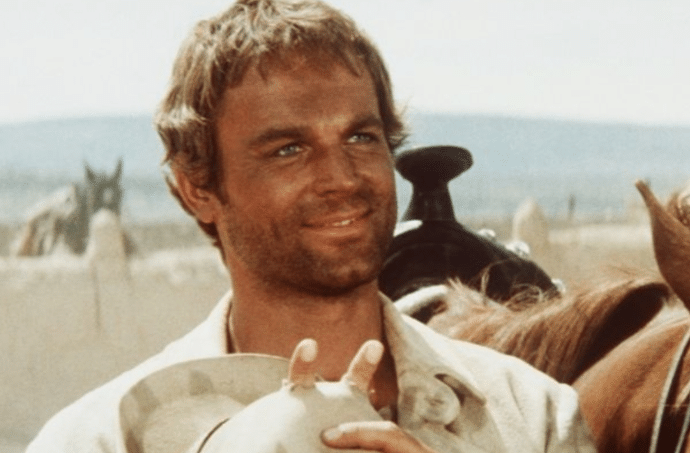
A career lasting decades usually requires more than one successful formula.
Nolte moved through a wide variety of genres.
There were crime dramas and action films, but also comedy, romance, family stories, and intensely serious dramatic performances.
That willingness to change direction helped prevent him from becoming trapped inside a single screen image.
He could appear in something broad and entertaining, then move into a role requiring emotional restraint.
For longtime film fans, that versatility became part of his appeal.
You might recognize the voice immediately, but you could not always predict what kind of man he would play next.
The Prince of Tides Revealed a More Vulnerable Side
One of Nolte’s most celebrated performances came in The Prince of Tides in 1991.
The film allowed audiences to see a softer and more emotionally complicated side of the actor.
For viewers who primarily associated him with rugged roles, it was a reminder that physical presence was only one part of his ability.
The best dramatic performers often succeed by allowing audiences to see contradictions within a character.
Strength can exist alongside fear.

Humor can hide grief.
Confidence can conceal old wounds.
Nolte had a particular ability to suggest those layers without explaining everything aloud.
That kind of performance tends to age well because it depends less on fashion or spectacle and more on recognizable human emotions.
Cape Fear Brought Him Into a Darker Hollywood Classic
The same year also saw Nolte appear in Martin Scorsese’s Cape Fear.
The film placed him opposite Robert De Niro in a story filled with tension and psychological danger.
It was another example of the extraordinary range of filmmakers and performers Nolte encountered during his peak years.
For older movie fans, the cast list alone can inspire nostalgia.
There was a period when seeing names such as De Niro, Nolte, Jessica Lange, and Scorsese attached to one project could make a new movie feel like a genuine event.
People read reviews in newspapers.
They checked showtimes in the local listings.
Then they actually went to a theater and watched the film without already having seen dozens of clips online.
It was a very different relationship with movies.
A Career Spanning Several Hollywood Generations
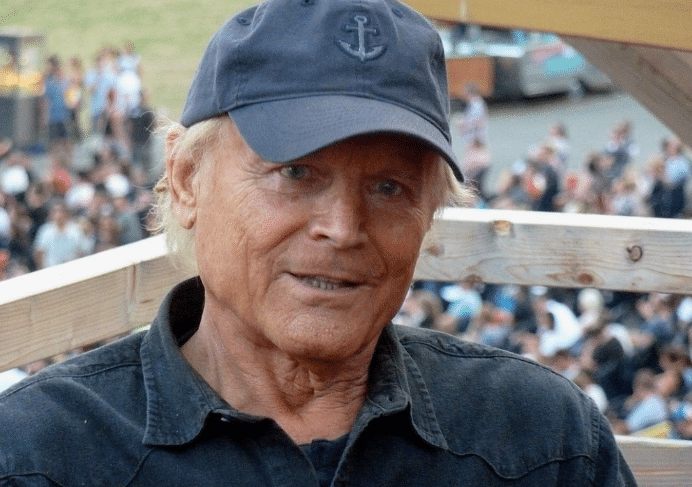
Nolte’s career is especially interesting because it stretches across radically different eras of entertainment.
He worked when network television dominated American homes.
He became a movie star when theatrical films and cable television shaped popular culture.
He remained recognizable through the VHS and DVD eras.
And his earlier work is now available to audiences through modern streaming platforms.
Each technological shift changed how people watched.
But the performances themselves stayed intact.
That allows younger viewers to discover films that older audiences remember from completely different circumstances.
One person might watch a classic movie on a tablet.
Another remembers waiting in line to buy the ticket.
Same film.
Entirely different memory.
Those Old Movie Nights Were About More Than Movies
For older readers, this is where celebrity nostalgia often becomes personal.
A photograph of Nick Nolte may remind someone of 48 Hrs.
But 48 Hrs. may remind them of the person they watched it with.
A theater that closed years ago.
A first date.
A group of friends.
A car they drove afterward.
A neighborhood restaurant where everyone stopped for coffee.
That is why entertainment memories can become surprisingly powerful later in life.
They are rarely isolated.
Movies, songs, television shows, and celebrities become attached to ordinary moments.
And ordinary moments become precious once enough years have passed