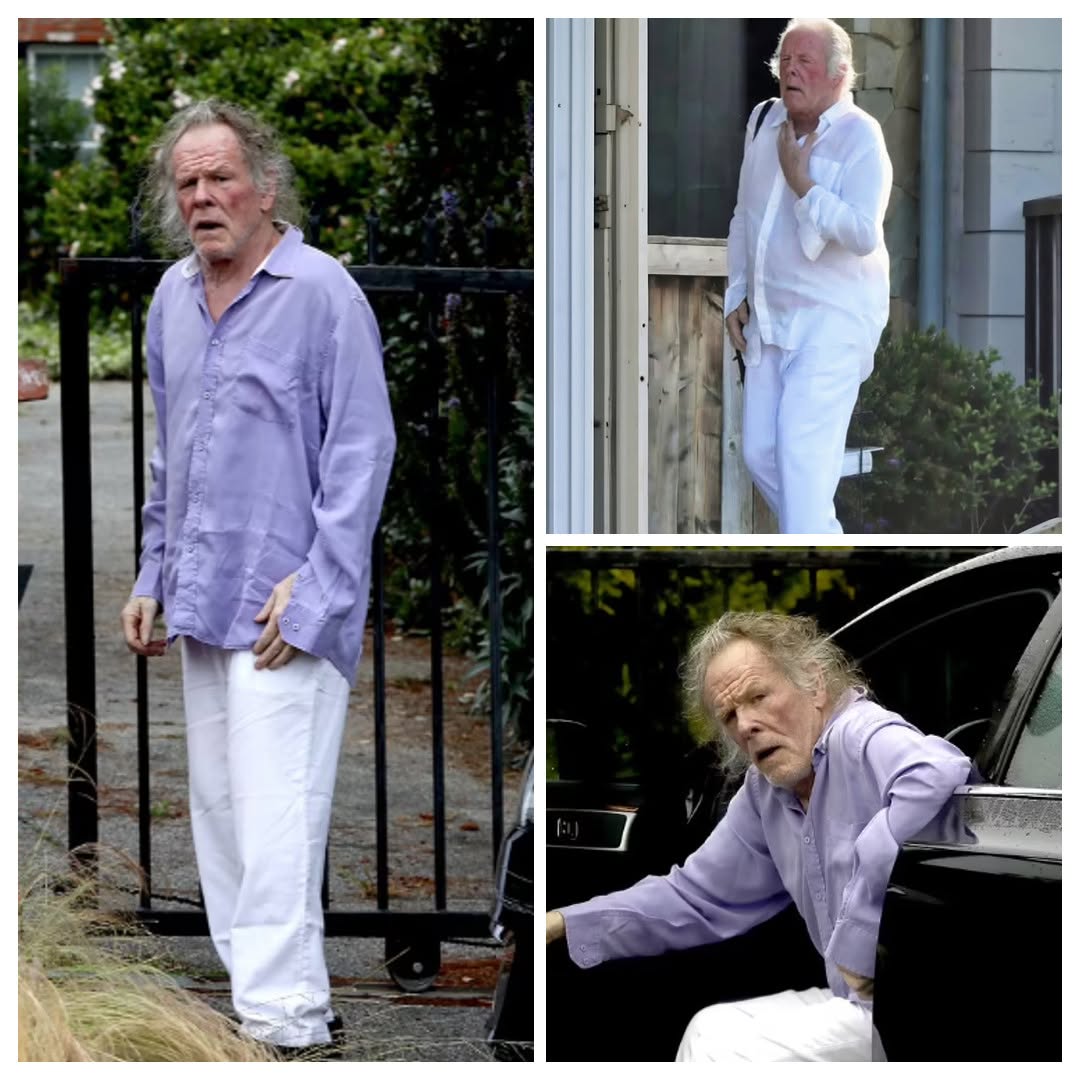
A recent photograph of an elderly gentleman with silver hair and a full white beard may cause even longtime movie fans to pause for a moment.
The face is familiar, yet time has naturally changed it.
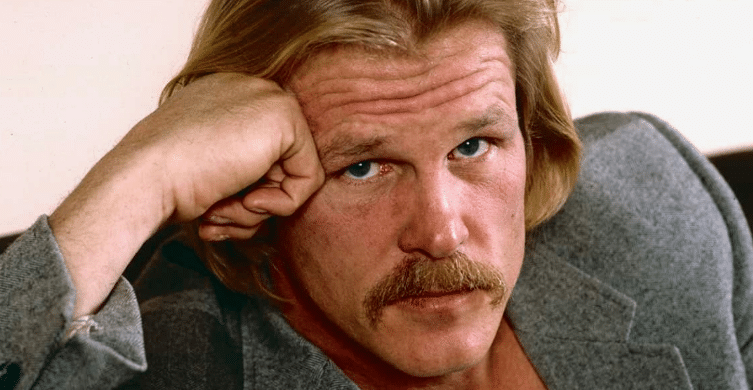
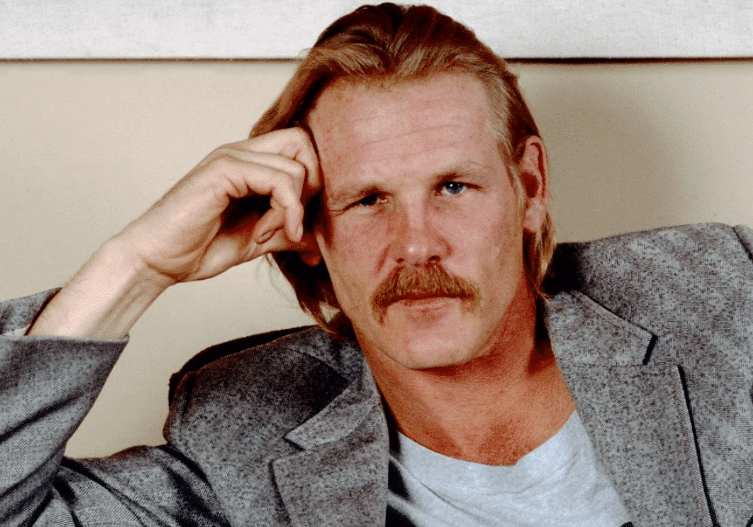
For viewers who remember the 1970s and 1980s, that same face once appeared beneath thick blond hair, framed by piercing blue eyes and the rugged features of one of Hollywood’s most distinctive leading men. Add the famously gravelly voice, and recognition becomes almost immediate.
The man is Nick Nolte.
Across more than five decades, Nolte built an acting career defined not by polished perfection but by complicated characters, emotional honesty, and an unusual willingness to reveal vulnerability beneath physical strength.
The older gentleman seen today may look very different from the young star preserved in vintage photographs.
But the performances remain unmistakable.
Nick Nolte Came From a Very Different Hollywood Tradition
Nick Nolte was born in Omaha, Nebraska, in 1941.
His journey toward acting was anything but carefully planned.

As a young man, athletics occupied a significant part of his life. Acting eventually provided another direction, but success did not arrive quickly.
Nolte spent years developing his skills through theater and regional productions before becoming a nationally recognized performer.
That long apprenticeship mattered.
By the time movie audiences discovered him, he had already learned something that would distinguish much of his later work: how to disappear inside an imperfect character instead of simply presenting himself as a glamorous movie star.
Hollywood Quickly Discovered a Different Kind of Leading Man
After Rich Man, Poor Man, Nolte moved successfully into major motion pictures.
Films such as The Deep, Who’ll Stop the Rain, and North Dallas Forty established him as a rugged leading man during the late 1970s.
Yet he never quite fit the traditional Hollywood mold.
Nolte could certainly look commanding on screen, but there was usually something unsettled beneath the surface.
His characters might be exhausted, frustrated, stubborn, or carrying disappointments they could barely discuss.
Audiences sensed that history even when the screenplay did not explain everything.
That ability made him especially effective as American cinema began embracing more complicated leading men.
48 Hrs. Introduced Nick Nolte to an Even Larger Audience
One of the most important movies of Nolte’s career arrived in 1982.
48 Hrs. paired him with Eddie Murphy in a combination of crime, action, and comedy that helped shape countless movies that followed.
Nolte played Jack Cates, a hardened police officer whose personality could hardly have been more different from Murphy’s fast-talking character.
That contrast became the movie’s engine.
Nolte brought frustration and authority.
Murphy brought rapid-fire humor and youthful energy.
Put them together, and the tension became entertaining.
The Prince of Tides Revealed His Remarkable Emotional Range
By the early 1990s, audiences already knew Nolte could portray forceful, complicated men.
The Prince of Tides showed just how emotionally vulnerable he could become.
In the 1991 drama directed by Barbra Streisand, Nolte portrayed Tom Wingo, a Southern football coach confronting painful memories while trying to help his sister.
The character initially protects himself through humor, defensiveness, and emotional distance.
Gradually, those defenses begin to weaken.
What emerges is one of Nolte’s most moving performances.
Nick Nolte Chose Character Over Vanity as He Grew Older
One of the most interesting aspects of Nolte’s career is what happened as his appearance naturally changed.
He did not spend his later years attempting to recreate the blond leading man from Rich Man, Poor Man.
Instead, he allowed age to become useful.
His face became more weathered.
His voice became rougher.
The changes gave him access to characters shaped by regret, experience, mistakes, and complicated family histories.
Rather than fighting those qualities, he incorporated them into his performances.
Conclusion: Nick Nolte’s Changing Face Cannot Change His Hollywood Legacy

At 85, Nick Nolte represents a remarkable bridge across several eras of American entertainment.
He became a television sensation through Rich Man, Poor Man, developed into a major film star, created a memorable partnership with Eddie Murphy in 48 Hrs., displayed extraordinary emotional depth in The Prince of Tides, and earned new recognition decades later through films such as Warrior.
Then his unmistakable voice introduced him to yet another generation through The Mandalorian.
A recent photograph may initially surprise viewers who still picture the long-haired young actor of the 1970s.
But photographs capture only appearance.
They cannot erase a performance.
They cannot remove a voice from memory.
And they cannot undo the connection audiences formed with movies watched decades ago.
Time changed Nick Nolte’s face, just as it changed the people who watched him.
What remains is something far more enduring: a body of work built on vulnerability, resilience, and an understanding that the most interesting characters are rarely the perfect ones.