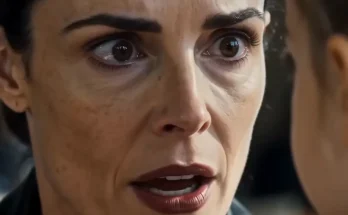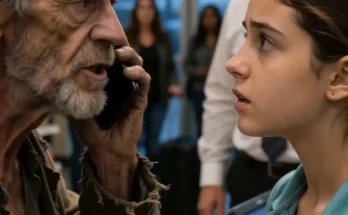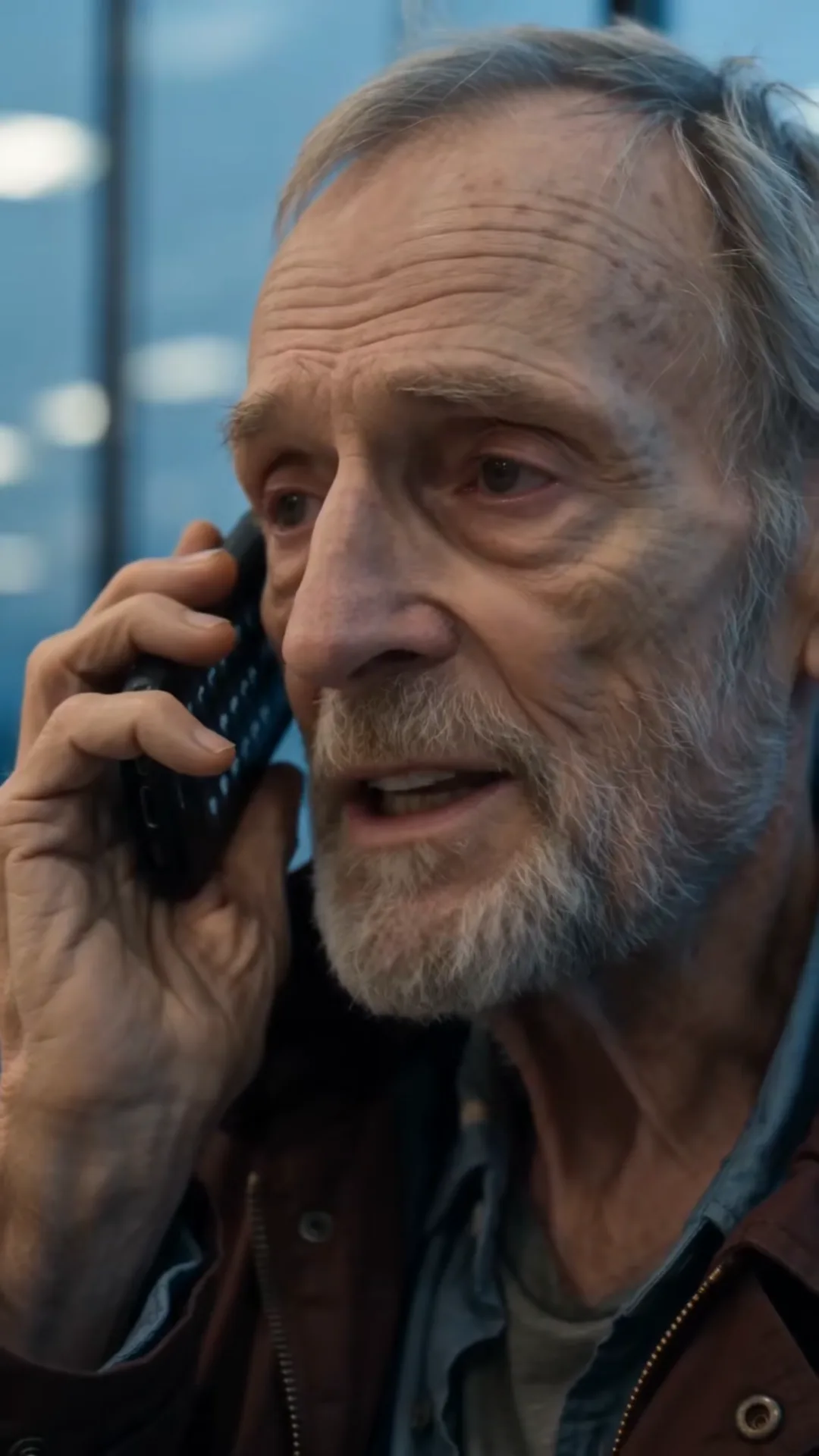
At 6:43 on a rain-heavy Thursday evening, Noah Walker had twenty-three dollars and sixteen cents to his name.
By 6:51, he had three dollars and sixteen cents.
The difference sat alone beside Gate 42 at Liberty International Airport, wearing an old burgundy-brown field jacket and trying not to collapse in front of hundreds of strangers.
Noah was eighteen years old.
He had been working at the airport for four months.
Long enough to learn that people behaved differently when they believed you were invisible.
Travelers dropped coffee cups six feet from trash cans and walked away.
Businessmen talked about million-dollar deals while Noah wiped mud from beneath their polished shoes.
Parents apologized when their children spilled something.
Some passengers thanked him.
Many never looked at him.
Noah didn’t resent them.
Most days, he didn’t have enough energy for resentment.
His shift started at three in the afternoon and ended at eleven.
Three mornings a week, he attended community college classes.
On weekends, he worked deliveries with a friend when extra money was available.
His mother, Sarah, had been recovering from surgery for nearly two months and could not yet return to full-time work.
His younger sister, Lily, was thirteen.
Rent was due Monday.
The electricity bill was already late.
And the twenty-three dollars in Noah’s wallet was supposed to buy groceries after his shift.
Bread.
Eggs.
Milk.
Probably pasta.
Whatever could stretch until Saturday.
That was the plan.
Then Noah saw William Brooks.
At first, the old man did not appear to be in serious trouble.
He sat near the rain-covered glass wall overlooking the runway.
Thin.
Gray-haired.
Tired.
One hand rested on an old duffel bag.
The other trembled slightly in his lap.
His field jacket was worn at the elbows.
His black boots were scratched and tired.
Travelers moved around him without stopping.
Noah noticed because Noah noticed people who tried hard not to be noticed.
He had spent enough time being one of them.
He pushed his mop slowly along the polished floor.
When he looked up again, William’s head had dropped forward.
Noah stopped.
A family hurried past.
A flight crew crossed toward the gates.
Nobody seemed concerned.
Then William tried to stand.
His knees gave slightly.
He caught the seat.
Noah abandoned the mop.
“Sir?”
The old man looked up.
His eyes were clear but exhausted.
“I’m all right.”
Noah crouched slightly.
“You don’t look all right.”
William almost smiled.
“That’s a cruel thing to tell an old man.”
“Can I get someone?”
“No.”
“Medical?”
“No.”
“Water?”
William hesitated.
“Water would be good.”
Noah headed toward the staff station.
Before he made five steps, a voice stopped him.
“Walker.”
Noah turned.
His supervisor, Martin Cole, stood beside the cleaning cart.
Fifty years old.
Midnight-navy operations jacket.
Badge clipped perfectly straight.
Martin was not cruel.
At least Noah had never thought of him that way.
He was procedural.
Everything had a rule.
Everything had a form.
Everything belonged to somebody else’s department.
“What are you doing?”
“That passenger doesn’t look good.”
Martin glanced toward William.
“Airport assistance can handle it.”
“He almost fell.”
“Did he request assistance?”
“No.”
“Then leave him alone.”
Noah frowned.
“He needs help.”
Martin lowered his voice.
“You are assigned to sanitation. Your zone is already behind.”
Noah looked back.
William had tried to sit straighter.
That somehow made him look worse.
Martin continued.
“Security has been having problems with people entering terminals without valid travel plans. Don’t involve yourself.”
“How do we know that’s what he is?”
“We don’t. That’s why it’s not your job.”
Noah stared at him.
Martin pointed toward the mop.
“Back to work.”
Noah moved.
Just not toward the mop.
Martin stepped in front of him.
“Walker.”
Noah kept his voice respectful.
“He needs help.”
“Ignore him.”
Noah looked directly at his supervisor.
“I can’t.”
Then he calmly stepped around him.
William was still sitting near the glass.
Noah handed him a bottle of water from the vending machine.
William took a small sip.
“Thank you.”
“When did you last eat?”
William looked away.
That was the answer.
Noah sat on the edge of the seat opposite him.
“Today?”
Silence.
“Yesterday?”
William gave him an embarrassed smile.
“Coffee counts?”
“No.”
“Then maybe yesterday morning.”
Noah’s stomach tightened.
“Do you have a boarding pass?”
William nodded.
He slowly removed a folded document from his jacket.
A legitimate itinerary.
His connecting flight had been canceled.
Weather.
The next available departure was the following morning.
Noah looked at the departure time.
William had been in the terminal nearly nine hours.
“Didn’t the airline give you a meal voucher?”
“Used it.”
“When?”
“Earlier.”
Noah looked toward the food counters.
Then at William.
“You wait here.”
The old man raised a hand.
“Young man.”
“What?”
“Don’t spend anything.”
Noah paused.
William’s eyes moved toward Noah’s faded uniform.
“You look like you work harder for your money than most people in this building.”
Noah smiled faintly.
“I’ll be back.”
The cheapest decent meal he could find cost $12.48.
Sandwich.
Apple.
Small soup.
Noah added a coffee.
Then removed it when he saw the total.
He had twenty-three dollars.
He needed groceries.
He stood in front of the register for several seconds.
The cashier waited.
“Everything okay?”
Noah looked toward the seating area.
William was visible between travelers.
Head lowered.
Noah took out his money.
“Yeah.”
He bought the food.
At another counter, an employee Noah knew gave him a spare boarding-area voucher that had been returned unused.
Noah carried everything back.
William stared at the bag.
“I told you not to.”
“I don’t listen very well.”
“Clearly.”
Noah handed him the sandwich.
William’s hands trembled when he took it.
“You eat,” Noah said.
The old man looked at him.
“What’s your name?”
“Noah.”
“Noah what?”
“Walker.”
William nodded.
“Noah Walker.”
He said it carefully, as though committing it to memory.
“I’m William.”
“Nice to meet you.”
William looked at the food.
Then at Noah.
“Thank you.”
Noah shrugged.
“It’s just a sandwich.”
William shook his head.
“No.”
He didn’t explain.
Behind them, Martin approached.
Noah saw him coming.
His stomach sank.
Martin stopped.
His voice was quiet.
“Office.”
Noah stood.
William looked between them.
“Did I cause trouble?”
“No,” Noah said.
Martin answered at the same time.
“This doesn’t concern you, sir.”
William’s eyes hardened slightly.
Martin walked away.
Noah followed him to a service corridor behind the gate.
The moment the door closed, Martin turned.
“I gave you a direct instruction.”
“He needed food.”
“We have procedures.”
“The procedure was watching him fall?”
“Watch your tone.”
Noah looked down.
Martin exhaled.
“This isn’t about a sandwich.”
“Then what is it about?”
“It’s about boundaries.”
Noah almost laughed.
“He’s seventy-something.”
“And you don’t know anything about him.”
“I know he’s hungry.”
“You abandoned your assigned area.”
“For ten minutes.”
“You used a staff voucher improperly.”
“It was unused.”
“Not the point.”
Noah clenched his jaw.
Martin had been under pressure for weeks.
Three cleaning contracts had recently been consolidated.
Management monitored response times.
Complaints were increasing.
Noah knew all that.
But William had been hungry.
The simplicity of that fact made everything else sound ridiculous.
Martin opened a cabinet.
Removed a disciplinary form.
Noah stared.
“Seriously?”
“You already have one warning for leaving your zone.”
“That was when a kid got lost.”
“You left your zone.”
“He was six.”
“Again, not your department.”
Noah looked at Martin in disbelief.
Martin stopped writing.
“Do you think I enjoy doing this?”
“I don’t know.”
“At eighteen, you think every problem has a moral answer.”
Noah’s expression hardened.
“What does that mean?”
“It means airports move tens of thousands of people every day because everybody does their assigned job.”
“And if somebody needs help?”
“You call the person assigned to help them.”
“And if nobody comes?”
“You document it.”
Noah stared.
“That’s your answer?”
“That’s the system.”
Noah thought about his mother.
She had worked in a nursing home most of his childhood.
She once came home nearly two hours late because an elderly resident was terrified and refused to sleep.
Noah had asked why she stayed.
Sarah answered:
“Because sometimes your shift ends before somebody’s fear does.”
Noah looked at Martin.
“I couldn’t leave him.”
Martin’s face closed.
“Then maybe this job isn’t right for you.”
Noah didn’t understand.
“What?”
Martin put the form down.
“Go collect your things.”
Noah stared.
“You mean tonight?”
“I mean don’t come back tomorrow.”
For several seconds, the only sound was airport ventilation.
Noah swallowed.
“You’re firing me?”
“Pending HR review, you’re removed from the schedule.”
“That’s firing me.”
Martin looked away.
Noah laughed once.
Then stopped because he felt dangerously close to crying.
“My mom can’t work right now.”
Martin’s expression flickered.
“Noah—”
“I need this job.”
“You should have thought about that.”
The sentence hurt more than Martin probably intended.
Noah nodded.
“Okay.”
He removed his reflective vest.
Folded it.
Placed it on the shelf.
Then walked back into the terminal.
William was still there.
The sandwich was half eaten.
He immediately saw Noah’s face.
“What happened?”
“Nothing.”
“Noah.”
“It’s fine.”
William looked at the missing vest.
“It’s not fine.”
Noah forced a smile.
“Finish eating.”
“Did he fire you?”
Noah didn’t answer.
William slowly put the sandwich down.
“Because of me?”
“No. Because I didn’t listen.”
William’s face filled with guilt.
Noah sat beside him.
“Don’t do that.”
“Do what?”
“Make it your fault.”
William looked at him.
“I made the decision.”
“But—”
“I’d make it again.”
That silenced him.
Noah checked the time.
7:34.
He still had hours before his bus home.
Except he no longer had a shift.
He had three dollars.
And on Monday, rent was due.
He stood.
“I should go.”
William reached into his jacket.
Noah thought he was looking for money.
He immediately shook his head.
“No.”
William stopped.
“What?”
“If you’re trying to pay me back, don’t.”
“I wasn’t.”
William removed an old smartphone.
The screen was cracked near one corner.
Until then, Noah had assumed the old man didn’t have one.
William unlocked it.
Noah stepped away.
“Take care of yourself, okay?”
William looked at him.
“Wait.”
Noah stopped.
William dialed a number.
Someone answered almost immediately.
William’s posture changed.
Not dramatically.
But enough.
His shoulders straightened.
His voice became steady.
“He spent his last twenty dollars on me.”
Noah frowned.
William listened.
Then said:
“Send my team.”
He ended the call.
Noah stared.
“Your team?”
William slipped the phone back into his jacket.
“Sit down.”
“What team?”
William looked at the rain beyond the glass.
“You’ll see.”
Ten minutes later, three black airport operations vehicles stopped outside the restricted entrance beside Gate 42.
Martin Cole saw them first.
So did the gate agents.
Then airport security.
A group of men and women in dark professional clothing entered the terminal.
At the center was the airport’s deputy director of operations.
Martin went pale.
Noah watched them approach.
Then looked at William.
The old veteran quietly finished his sandwich.
And Noah began to understand that he had just spent his last twenty dollars on someone who had not been forgotten by the world at all.
The question was why a man powerful enough to summon senior airport officials with one phone call had been sitting hungry and alone beside a rainy window.
And why, when his team arrived, William Brooks asked only one question:
“Who fired the kid?”
PART 2 — THE MAN EVERYONE THOUGHT WAS HELPLESS
Martin Cole did not answer immediately.
The deputy director, Rebecca Sloan, stopped several feet away from William.
She looked at him with a mixture of relief and disbelief.
“Sir.”
William gave her a tired smile.
“Rebecca.”
“We’ve been looking for you.”
“I know.”
“You turned off your location.”
“I know.”
“You missed the escort team.”
“Also true.”
Rebecca lowered her voice.
“Do you understand how many people are panicking right now?”
William looked at the sandwich.
“I’ve had quieter evenings.”
Behind Rebecca stood two men from airport administration and a woman Noah did not recognize.
All three treated William with unmistakable respect.
Not celebrity excitement.
Not nervousness around wealth.
Professional respect.
Martin looked increasingly uncomfortable.
Noah stood several feet away, completely confused.
Rebecca noticed him.
“You’re Noah?”
He nodded.
“Yes, ma’am.”
She looked toward William.
William gestured.
“The dangerous criminal who fed me.”
Rebecca almost smiled.
Martin stepped forward.
“Ms. Sloan, there’s context—”
William raised one hand.
“Good.”
Martin stopped.
William continued.
“Context is useful.”
He slowly stood.
Noah instinctively reached toward him.
William accepted the help.
Then he looked at Martin.
“Tell me.”
Martin glanced toward Rebecca.
“This employee abandoned his assigned work area after being directed to contact passenger assistance instead.”
William nodded.
“True.”
“He then used an unauthorized voucher.”
“Someone gave it to me,” Noah said.
Martin continued.
“And this followed an earlier incident where he left his area without permission.”
William looked at Noah.
“What incident?”
Noah looked embarrassed.
“A kid got separated from his family.”
“You helped him?”
“I found security.”
William turned back toward Martin.
“So this is the second time he has been disciplined for helping somebody?”
Martin’s face reddened.
“That isn’t an accurate characterization.”
“Then characterize it.”
Martin hesitated.
Rebecca stepped in.
“William.”
The use of his first name changed the room.
She wasn’t merely an employee.
She knew him personally.
“You’re exhausted.”
“I’m aware.”
“We should get you checked medically.”
“In a minute.”
Rebecca looked at Noah.
Then Martin.
She understood what was happening.
“Mr. Cole, Noah’s suspension is frozen pending review.”
Martin’s eyes widened.
“Ma’am—”
“Frozen.”
“Understood.”
Noah stared.
William sat again.
Rebecca crouched slightly beside him.
“Can we go now?”
William nodded.
Then looked at Noah.
“You have somewhere to be?”
Noah almost laughed.
“Apparently not.”
William smiled.
“Come with us.”
Noah stepped back.
“Where?”
“Somewhere with better coffee.”
“I should probably go home.”
“How?”
“Bus.”
“How long?”
“About an hour and twenty minutes.”
William looked toward the rain.
“You’re coming with us.”
Noah didn’t know how to respond.
Rebecca did.
“He isn’t being kidnapped, William.”
“I asked.”
“You ordered.”
William looked at Noah.
“Did it sound like an order?”
“A little.”
“Sorry.”
For the first time since being fired, Noah laughed.
He went.
They took William not to a private jet or luxury hotel, but to a quiet airport medical suite normally used for flight crews and senior staff.
A doctor examined him.
Dehydration.
Low blood sugar.
Exhaustion.
Nothing immediately dangerous.
Noah sat outside with Rebecca.
He finally asked:
“Who is he?”
Rebecca looked at him.
“What did he tell you?”
“William.”
“Then that’s enough for tonight.”
Noah frowned.
“Everybody acts like he’s important.”
“He is.”
“Military?”
Rebecca hesitated.
“Among other things.”
“Is he some general?”
She smiled.
“No.”
“Politician?”
“No.”
“Billionaire?”
Rebecca actually laughed.
“Why does everyone always jump to billionaire?”
Noah shrugged.
“Because this feels like one of those stories.”
Rebecca became thoughtful.
“William would hate that.”
“What?”
“The idea that kindness only mattered because the person receiving it turned out to be rich.”
Noah looked toward the medical room.
Rebecca continued.
“He’d want you to understand that if he had been exactly who you thought he was—an exhausted old veteran without connections—you still did the right thing.”
Noah nodded.
“I know.”
“I think that’s why he’s interested in you.”
“Interested?”
Before Rebecca could answer, the medical door opened.
William emerged.
The doctor told him to eat properly, rest, and avoid further unnecessary travel that evening.
William thanked him.
Then ignored half the instructions.
“Rebecca, conference room.”
She sighed.
“Of course.”
Noah started to leave.
William pointed.
“You too.”
Twenty minutes later, Noah sat in a private conference room overlooking the runway.
His maintenance polo felt absurd in the polished space.
William sat across from him.
Rebecca beside him.
The unknown woman introduced herself.
“Angela Morris. Director of the Brooks Foundation.”
Noah looked toward William.
“Brooks.”
William nodded.
“My name.”
“I figured.”
Angela continued.
“The foundation runs several veteran support programs, workforce grants, emergency housing partnerships, and airport transition services.”
Noah looked confused.
“What does that have to do with tonight?”
William leaned back.
“A lot.”
He explained.
Forty-eight years earlier, William Brooks had returned from military service at twenty-four.
He had no clear plan.
No college degree.
No stable housing.
He spent his first week back sleeping in a bus station and an airport terminal because he was too ashamed to call his younger brother.
One night, an airport custodian found him asleep beside a vending machine.
The custodian’s name was Henry Lawson.
Henry brought William coffee.
Then food.
Then sat beside him during a break.
William had never forgotten what Henry said.
“Looking lost and being worthless aren’t the same thing.”
Henry helped William find a veteran assistance office.
That office connected him with housing.
Training.
Work.
William eventually built a successful logistics company.
Not a glamorous empire.
Warehouses.
Freight.
Airport ground services.
Transportation contracts.
The kind of businesses most passengers never noticed.
He sold the company years later and used much of the proceeds to build a foundation supporting veterans and low-income workers.
Noah listened quietly.
“Why were you alone today?”
Rebecca answered before William could.
“Because he’s impossible.”
William ignored her.
He had come to the airport for a foundation board meeting and a private inspection of a new veteran transition program.
He refused the usual escort.
He wanted to travel through the terminal unnoticed.
Then his connecting flight was canceled.
His phone battery nearly died.
His medication made him nauseated.
He had given his meal voucher to another veteran traveling with two children.
By the time his team realized he wasn’t where expected, he had switched off his phone to conserve battery.
“You gave away your food?” Noah asked.
William shrugged.
“They needed it.”
Noah stared at him.
“Then you told me not to spend money on you.”
“Yes.”
“That’s pretty hypocritical.”
Rebecca covered a smile.
William looked impressed.
“People usually wait longer before insulting me.”
Noah smiled.
“Sorry.”
“No. You’re right.”
William leaned forward.
“Now tell me why twenty dollars was your last twenty.”
Noah’s smile disappeared.
“It doesn’t matter.”
“It mattered when you spent it.”
Noah looked down.
“My mom’s recovering from surgery.”
William listened.
“Rent’s late. I work while I’m in school.”
“What are you studying?”
“Not really anything yet. General classes.”
“What do you want?”
Noah laughed quietly.
“Sleep?”
William smiled.
“Long term.”
Noah looked out at the runway.
“I wanted to study aviation maintenance.”
“Past tense?”
“It’s expensive.”
William said nothing.
Noah continued.
“My dad used to fix engines.”
“Used to?”
“He left when I was twelve.”
No drama in the sentence.
Just fact.
Noah had learned how to make it sound that way.
“He taught me basic stuff before he disappeared. Cars mostly. Small engines.”
William nodded.
“And planes?”
“I like knowing why machines work.”
“Good reason.”
Noah changed the subject.
“So what’s happening with my job?”
Rebecca answered.
“Formal review tomorrow.”
“Am I getting it back?”
“I don’t know.”
That surprised him.
He looked at William.
William nodded approvingly.
“What?”
Noah asked.
“You’re not just ordering them to keep me?”
“No.”
“But you could.”
“Probably.”
Noah frowned.
“Then why not?”
William leaned forward.
“Because hidden power is useful for stopping unfairness. It’s dangerous when you use it to skip fairness.”
Noah absorbed that.
“I asked Rebecca to review whether the policy was applied reasonably. That’s all.”
Angela added:
“And whether the policy itself is reasonable.”
William looked at her.
“That too.”
Noah nodded.
It felt better than simply being rescued.
Rebecca’s phone buzzed.
She read a message.
Then looked at Noah.
“Your mother is outside.”
Noah stood.
“What?”
“The contact number on your employee record.”
His face changed.
“You called her?”
“HR did when you were removed from shift. Then I called and explained where you were.”
Noah groaned.
William smiled.
“You’re afraid of your mother.”
“More than you.”
“Smart.”
Sarah Walker entered five minutes later.
She was forty-three.
Still moving carefully after abdominal surgery.
Her face held the specific expression only a worried mother could produce.
Noah stood.
“Mom.”
She walked directly to him.
“Are you hurt?”
“No.”
“Arrested?”
“No.”
“Then why did somebody from airport administration call me?”
Noah glanced around.
“This is complicated.”
Sarah finally noticed William.
The old man stood.
“Mrs. Walker.”
“Who are you?”
“William Brooks.”
“Did my son do something stupid?”
William considered.
“He spent his grocery money feeding me.”
Sarah slowly looked at Noah.
Noah prepared himself.
She closed her eyes.
Then whispered:
“Of course he did.”
“I’m sorry.”
Sarah opened them.
“No, you’re not.”
“No.”
She looked at William.
“Did he lose his job?”
“Possibly.”
Sarah sat.
Her face tightened.
“Then yes, he did something stupid.”
Noah looked wounded.
Sarah took his hand.
“Something good can still be stupid when you have people depending on you.”
William listened closely.
Noah said:
“I couldn’t leave him.”
“I know.”
“If you’d seen him—”
“I know.”
Sarah squeezed his hand.
“That’s why I’m not angry that you helped.”
“Sounds like you’re angry.”
“I’m angry that the world makes twenty dollars a life decision for us.”
The room went quiet.
William looked down.
Sarah noticed.
“I’m sorry.”
“Don’t be.”
William’s voice was soft.
“That’s probably the truest thing anyone has said all night.”
He asked Sarah about her surgery.
Her work.
The family.
She answered cautiously.
She did not ask William for anything.
Not once.
Before they left, William handed Noah a business card.
Plain white.
Name.
Phone number.
No title.
“Call me tomorrow after your review.”
Noah looked at it.
“Why?”
“Because I want to know what happens.”
Sarah narrowed her eyes.
“What exactly do you want from my son?”
William smiled.
“At the moment? Nothing.”
“At the moment?”
“I run a workforce program.”
Sarah immediately looked suspicious.
William laughed.
“You’ve raised him well.”
“I raised him to question people who make mysterious offers.”
“Excellent.”
He looked at Noah.
“Call tomorrow.”
They left.
In the parking garage, Noah realized something.
“I didn’t buy groceries.”
Sarah looked at him.
“No.”
“I have three dollars.”
“Also true.”
She opened the passenger door.
“There’s soup at home.”
Noah felt terrible.
Then Sarah added:
“And Mrs. Collins brought chicken.”
He smiled.
“We’re okay tonight.”
Noah got into the car.
As they drove away from the airport, he looked at William’s card.
He had no idea that the next morning would be worse before it became better.
Because someone had leaked the story to airport employees.
By 9:00 a.m., people were saying Noah had deliberately approached a wealthy donor for money.
By ten, one supervisor claimed Noah knew exactly who William was.
By eleven, social media had turned a quiet act of kindness into a scam.
And when Noah entered his HR review at noon, he discovered that saving his job was no longer the only thing he had to defend.
He had to prove that his kindness had been real.
PART 3 — WHEN KINDNESS BECAME AN ACCUSATION
Noah’s HR meeting lasted ninety-two minutes.
It felt longer.
Rebecca Sloan attended.
Martin Cole attended.
Two human resources representatives sat across the table.
A union observer was present even though Noah had not yet worked long enough for full seniority protections.
The first thirty minutes were procedural.
Did Noah leave his assigned work area?
Yes.
Was he instructed not to do so?
Yes.
Did he obtain a meal voucher outside normal policy?
Yes.
Then the meeting changed.
One HR representative turned a laptop around.
An anonymous employee account had posted online:
JANITOR GETS CAUGHT TARGETING MAJOR AIRPORT DONOR. NOW MANAGEMENT WANTS TO REWARD HIM.
Noah stared.
“What?”
The post claimed Noah recognized William Brooks.
That he deliberately staged the interaction.
That he purchased the sandwich because he knew William controlled major foundation grants and had connections throughout the airport.
It was ridiculous.
But detailed enough to sound possible.
Comments multiplied overnight.
He’s not kind. He’s smart.
Twenty-dollar investment for a millionaire payoff.
I’d get fired too.
Rebecca looked furious.
Noah felt sick.
“I didn’t know who he was.”
Martin spoke.
“For what it’s worth, I believe him.”
Everyone looked at him.
Even Noah.
Martin continued.
“He asked me who the man was. I didn’t know either.”
One HR manager asked:
“Did Mr. Brooks identify himself before Noah bought the food?”
“No.”
“Did Noah have access to the donor event schedule?”
Martin shook his head.
“Not through his role.”
Rebecca said:
“And Brooks wasn’t listed publicly on the internal schedule. At his request.”
The accusation should have ended there.
It didn’t.
Because rumors weren’t about evidence.
They were about stories people wanted to believe.
Noah’s disciplinary review concluded that he had violated work-zone procedure but acted in a genuine passenger welfare situation.
His termination was reversed.
He received a written warning.
But Martin’s decision to suspend him immediately was also ruled inconsistent with policy.
Noah had his job back.
He should have been relieved.
Instead, when he entered the terminal for his next shift, people stared.
A baggage employee joked:
“Feed any billionaires today?”
Someone else laughed.
Noah ignored them.
At Gate 42, he found Martin.
The supervisor looked uncomfortable.
“Noah.”
“Sir.”
“I owe you an apology.”
Noah waited.
Martin continued.
“I was too rigid.”
“Okay.”
“I thought procedure protected everyone.”
“Sometimes it does.”
Martin nodded.
“Sometimes it gives people permission not to think.”
Noah looked surprised.
Martin gave a tired smile.
“My wife said that.”
“I like your wife.”
“So do I.”
Martin looked toward the terminal.
“I should’ve called medical myself.”
Noah said nothing.
Martin continued.
“And firing you on the spot was wrong.”
Noah finally nodded.
“Thank you.”
Martin handed him his reflective vest.
Noah put it on.
The job resumed.
But the rumors grew.
Two days later, a local news site published a short story after someone shared airport security footage of Noah helping William.
The headline focused on the veteran philanthropist and the young janitor.
Then larger accounts picked it up.
Most reactions were positive.
Some weren’t.
People found Noah’s social media accounts.
Someone posted photographs of his apartment building.
Another person found Sarah’s public fundraising page from her surgery.
Then came the accusation:
THE KID’S FAMILY HAD MEDICAL DEBT. OF COURSE HE KNEW WHAT HE WAS DOING.
Noah deleted his accounts.
He stopped answering unknown calls.
At home, Lily cried because somebody at school told her Noah had “begged a rich guy for money.”
Noah sat with her at the kitchen table.
“Did you?”
“No.”
“I know.”
“Then why are you crying?”
“Because people are stupid.”
Noah laughed.
“Fair.”
Sarah did not laugh.
“This needs to stop.”
Noah nodded.
“I know.”
“You should call William.”
“No.”
“Why?”
“Because that’s exactly what they think I’m doing.”
Sarah understood.
If he called William now, anything William offered would appear to confirm the accusation.
So Noah stayed silent.
William did not.
Three days after the story spread, the Brooks Foundation released a short statement.
No mention of money.
No promise of scholarships.
No dramatic reward.
It simply stated that William Brooks had not identified himself to Noah Walker before the interaction and that Noah had no access to his private travel schedule.
Then William added a personal sentence:
Kindness does not become less real because the recipient later turns out to have influence.
That helped.
But the story still lingered.
Meanwhile, something else happened inside the airport.
Employees began reporting welfare situations differently.
Gate agents called medical services earlier.
Supervisors became more flexible when staff stepped away to assist travelers.
Rebecca ordered a review of the policy that had gotten Noah in trouble.
The review revealed a pattern.
During the previous year, at least fourteen frontline workers had received warnings for leaving assigned zones while assisting lost children, elderly passengers, travelers with disabilities, or people experiencing medical distress.
None had caused operational problems.
The rule had been written to maintain staffing.
Over time, managers had interpreted it so narrowly that helping a person could technically become misconduct.
Rebecca changed it.
Employees were now explicitly allowed to provide immediate reasonable assistance while notifying their supervisor.
Noah’s name appeared nowhere in the new policy.
He preferred it that way.
Then William called.
Noah stared at the number.
He almost didn’t answer.
Finally:
“Hello?”
“You’ve avoided me for nine days.”
William’s voice.
Noah smiled despite himself.
“Busy.”
“Liar.”
“Maybe.”
William continued.
“I have a question.”
“What?”
“Do you still want to learn aviation maintenance?”
Noah closed his eyes.
“William.”
“That’s my name.”
“I don’t want money.”
“Good.”
“No scholarship.”
“I didn’t offer one.”
“No check.”
“You’re extremely suspicious for someone who bought food for a stranger.”
Noah sat on his bed.
“What are you offering?”
“An interview.”
“For what?”
“Paid apprenticeship program.”
Noah went silent.
William explained.
The Brooks Foundation funded technical apprenticeships in partnership with several airport maintenance contractors.
Applicants worked part-time.
Studied toward FAA-certified aviation maintenance training.
Received wages.
Tuition assistance came through the program, but only if academic and performance standards were met.
No guaranteed admission.
No special seat.
“Why me?”
William answered:
“Because you told me you wanted to do it.”
“That can’t be enough.”
“It isn’t.”
“Then?”
“Your community college grades are good.”
Noah stiffened.
“You looked me up?”
“Angela did.”
“That’s creepy.”
“A little.”
William laughed.
“The program has twelve openings. Eighty-three applicants.”
“So I’d compete?”
“Yes.”
“No special treatment?”
“I’ll make sure I don’t participate in your interview.”
Noah thought.
“If I get rejected?”
“Then you get rejected.”
Strangely, that made him want it more.
“Send me the application.”
“Already did.”
Noah checked his email.
There it was.
He applied.
The process took four weeks.
A mechanical aptitude test.
Interview.
Safety assessment.
Basic math exam.
Noah walked out of the final interview convinced he had failed.
Three days later, he received an email.
Accepted.
He stared at the word.
Then read it again.
Sarah thought someone had died because he came into the kitchen crying.
“What?”
Noah held out the phone.
She read it.
Then screamed.
Lily ran in.
“What happened?”
Sarah pointed.
“Your brother has a future.”
Noah laughed through tears.
“I had one before.”
Sarah hugged him.
“I know.”
The apprenticeship began in January.
Noah reduced janitorial shifts but kept working at the airport.
During the day, he learned turbine basics, hydraulics, electrical systems, inspection procedures, safety protocols.
At night, he sometimes still cleaned the same terminal.
Some coworkers asked why.
He answered:
“Rent.”
The glamorous truth.
William visited occasionally.
Always without ceremony.
One afternoon, he found Noah studying diagrams during lunch.
“You look miserable.”
“I hate electrical systems.”
“They hate you too.”
“Helpful.”
William sat.
Noah looked at him.
“You know what still bothers me?”
“What?”
“The first night.”
William waited.
“You could’ve asked for help.”
“Yes.”
“You had a phone.”
“Barely.”
“You had people looking for you.”
“Yes.”
“You sat there hungry.”
William looked toward the maintenance hangar.
“I was embarrassed.”
Noah stared.
“You?”
“Why is that surprising?”
“Because you have a foundation named after you.”
“Which makes asking for a sandwich more dignified?”
Noah didn’t answer.
William continued.
“I spent years helping veterans who thought asking for help meant failing.”
He smiled sadly.
“Turns out you can understand a lesson intellectually and still be terrible at living it.”
Noah nodded.
“Mom does that.”
“Most parents do.”
Months passed.
Noah became good.
Not brilliant overnight.
Good.
He made mistakes.
Once installed a component incorrectly during training and had to redo six hours of work.
His instructor told him:
“Attention is more important than talent.”
Noah wrote it inside his notebook.
At home, Sarah returned to work part-time.
Money remained tight, but less desperate.
Then, nine months after the airport incident, William disappeared from Noah’s life.
Calls unanswered.
No visits.
No messages.
Noah assumed travel.
Then Angela Morris called.
“William’s in the hospital.”
Noah stood in the maintenance break room.
“What happened?”
“Heart problem.”
“Is he okay?”
A pause.
“He’s stable.”
Noah knew what pauses meant.
“Where?”
Angela gave him the hospital.
Noah went after work.
William looked smaller in the hospital bed.
Gray.
Tired.
Angry at the monitoring wires.
Noah sat beside him.
“You look terrible.”
William opened one eye.
“Cruel thing to tell an old man.”
Noah smiled.
The same line.
William noticed.
“How’s the apprenticeship?”
“Good.”
“Grades?”
“Good.”
“Liar?”
“B-plus electrical.”
William winced.
“Tragic.”
Noah laughed.
Then grew quiet.
“Are you scared?”
William looked at the ceiling.
“Yes.”
Noah nodded.
They sat silently.
Then William said:
“There’s something I want you to do.”
Noah immediately frowned.
“No.”
“I haven’t asked.”
“Sounds expensive.”
“It isn’t.”
“What?”
William looked at him.
“Finish.”
Noah stared.
“That’s it?”
“No dramatic dropping out because your mother needs something. No deciding school is for rich kids. No convincing yourself that being useful today is more important than building tomorrow.”
Noah looked down.
William continued.
“You have a habit of sacrificing first and thinking second.”
“Some old guy taught me that.”
“No. Some old guy benefited from it.”
Noah smiled.
William’s expression became serious.
“Compassion without a future becomes exhaustion.”
Noah looked at him.
“Build enough stability that helping someone doesn’t require your last twenty dollars.”
That sentence stayed with Noah for years.
William recovered.
Slower than he wanted.
He reduced travel.
Delegated more foundation work.
And Noah kept going.
Two years after the rainy evening at Gate 42, Noah Walker completed his certification.
At the small ceremony, Sarah sat in the front row.
Lily took too many photographs.
Martin Cole attended.
Rebecca Sloan attended.
William sat near the aisle with a cane.
When Noah’s name was called, William did not stand.
His doctors would have objected.
But he applauded longer than anyone.
Noah crossed the stage.
For a moment, everything seemed complete.
It wasn’t.
Because William had one final secret.
And Noah would only discover it after receiving an envelope containing exactly twenty dollars.
PART 4 — THE TWENTY DOLLARS THAT CAME BACK
The envelope arrived six weeks after graduation.
No return address.
No foundation logo.
Inside were two ten-dollar bills.
And a note.
Noah,
You were very clear that you did not want repayment.
Therefore, this is not repayment.
Come to Gate 42 Saturday at 6:30 p.m.
Bring your mother.
— William
Noah read it twice.
Sarah read it once.
“Absolutely not.”
Noah frowned.
“Why?”
“Every time that man sends for you, my blood pressure changes.”
“He’s seventy-four.”
“Powerful old people are still powerful.”
Lily shouted from the couch:
“Can I go?”
“No,” both answered.
Saturday evening looked almost exactly like the night Noah met William.
Rain.
Warm terminal light.
Cool reflections on glass.
Rolling suitcases.
Boarding announcements.
Noah had been at Gate 42 hundreds of times since then.
But when he arrived beside Sarah, the memory returned immediately.
William sat in the same row of seats.
Same old field jacket.
Cane beside him.
No entourage.
No officials.
No cameras.
Noah approached.
“You know there are other gates.”
William nodded.
“I checked.”
Sarah hugged him carefully.
William looked surprised.
“That’s new.”
“You survived.”
“Barely, apparently.”
They sat.
Noah placed the envelope beside William.
“What is this?”
William looked at the money.
“An invitation.”
“Twenty dollars is an invitation?”
“It got your attention.”
“Unfortunately.”
William pointed across the terminal.
“See that storefront?”
An old retail unit near the concourse had been empty for months.
Brown paper covered the glass.
“No.”
“Come.”
They walked over.
William unlocked the door.
Inside, the space had been renovated.
Not luxurious.
Practical.
Tables.
Lockers.
Small kitchenette.
Private consultation rooms.
A shower area.
Quiet seating.
Computer stations.
Noah looked around.
“What is this?”
William handed Sarah a folder.
She opened it.
The Brooks-Lawson Transit Support Center.
Noah looked at William.
“Lawson?”
“Henry Lawson.”
The custodian who had helped William decades earlier.
William walked slowly into the room.
“Airports are full of people between places.”
Noah listened.
“Veterans. Runaways. Stranded travelers. Low-income workers between shifts. People who miss connections and don’t have hotel money.”
He touched the back of a chair.
“Most don’t need rescuing.”
He looked at Noah.
“They need food. A phone charger. A shower. Somebody who knows which number to call.”
Sarah’s eyes filled.
William continued.
“The airport approved the pilot program.”
Noah smiled.
“That’s great.”
“It is.”
“Why am I here?”
William looked at him.
“Because part of the program will train airport employees to recognize when someone needs help without treating them like a security problem.”
Noah immediately understood.
“No.”
William frowned.
“I haven’t asked yet.”
“I have a job.”
“You keep your job.”
“I just got certified.”
“I know.”
“I’m not running a charity center.”
“I know.”
Noah stared.
William smiled.
“I want you on the advisory board.”
Noah laughed.
“I’m twenty.”
“Twenty-one.”
“That doesn’t improve your argument.”
Sarah covered her mouth to hide a smile.
William continued.
“Four meetings a year.”
“What would I do?”
“Tell people when their ideas are stupid.”
“I already do that for free.”
“Excellent experience.”
Noah looked around.
“This place is because of that night?”
William shook his head.
“That night reminded me of something I’d forgotten.”
“What?”
“Systems are good at serving people who know how to use systems.”
He looked toward the terminal.
“Kindness catches everyone else.”
Noah stood quietly.
Then noticed a framed photograph on the wall.
Not of William.
Not of Noah.
An old black-and-white image.
A young airport custodian standing beside a cleaning cart.
HENRY LAWSON, 1938–2009.
Beneath it was a simple sentence:
HE NOTICED PEOPLE.
Noah stared.
William stood beside him.
“He never knew what happened to me.”
“You didn’t find him?”
“I tried years later. Too late.”
William’s voice softened.
“I built half my life around thanking a man I never got to thank.”
Noah looked at him.
William smiled.
“So I learned eventually that gratitude works better when you pass it forward.”
The center opened quietly.
No press conference at William’s request.
No giant donor plaque.
No Noah Walker hero story.
No twenty-dollar legend printed on the walls.
Just services.
During the first month, the center helped 317 travelers.
One was a veteran experiencing a panic attack.
One was a mother stranded overnight with two small children.
One was an airport kitchen employee sleeping in his car between shifts.
One was a college student whose wallet had been stolen.
None became wealthy benefactors.
That was the point.
Noah continued aircraft maintenance.
He loved it.
The first time he signed off on an inspection under supervision, his hands shook.
The first time an aircraft he had worked on taxied away safely, he stood watching until it disappeared.
At twenty-four, he became a full technician.
At twenty-six, lead technician on a small overnight team.
At twenty-eight, he began teaching apprentices.
He always asked them one question on the first day.
“What matters more than being fast?”
Most guessed:
Accuracy.
Safety.
Procedure.
All correct.
Noah would add:
“Noticing.”
Then he explained.
Machines told you when something was wrong if you learned how to pay attention.
So did people.
Sarah eventually retired from the nursing home.
Not rich.
Comfortable.
Lily went to college and became a social worker.
She claimed Noah’s story had nothing to do with it.
Nobody believed her.
Martin Cole changed too.
He became one of the strongest supporters of the Transit Support Center.
Years later, when Martin retired, Noah attended his farewell.
Martin laughed.
“Remember when I fired you?”
“Frequently.”
“I was hoping you’d forget.”
“No.”
“Fair.”
They shook hands.
Then Martin became serious.
“You taught me something.”
Noah raised an eyebrow.
“You were eighteen. Don’t look so proud.”
“What?”
Martin looked around the terminal.
“Procedure should tell people how to help.”
He paused.
“Not give them an excuse not to.”
Noah smiled.
“You could put that on a poster.”
“I’ll deny saying it.”
William aged.
There was no way around that.
His walks became shorter.
His cane became permanent.
His visits to the airport dropped from monthly to occasional.
Eventually, Noah started visiting him instead.
William lived in a comfortable but surprisingly ordinary house outside the city.
Books everywhere.
Old military photographs in one room.
Letters from veterans in another.
No grand display of wealth.
One winter evening, Noah found the original cracked smartphone on William’s desk.
“You still have this?”
William looked up.
“Works.”
“Barely.”
“You sound like Rebecca.”
Noah picked it up.
“The famous phone.”
“Famous?”
“‘Send my team.'”
William groaned.
“You make me sound ridiculous.”
“You were pretty dramatic.”
“I was hypoglycemic.”
Noah laughed.
William pointed at him.
“You were the one giving away grocery money.”
“Touché.”
William died peacefully two years later at eighty-three.
Noah was thirty.
The funeral was larger than William would have wanted.
Veterans.
Airport employees.
Foundation staff.
Business leaders.
People who had received housing help.
People who had completed apprenticeships.
People Noah had never met.
Rebecca Sloan gave one of the speeches.
Angela Morris another.
Noah refused when asked.
He couldn’t.
Not that day.
Afterward, Angela handed him a small envelope.
“He left this for you.”
Noah opened it alone.
Inside was a twenty-dollar bill.
He laughed immediately.
Then cried.
A handwritten note accompanied it.
Noah,
This one really is repayment.
Inflation has probably made it inadequate.
Sorry.
You once told me it was “just a sandwich.”
You were wrong.
It was twenty dollars when twenty dollars mattered.
That is the difference.
People are generous with what they do not need.
You gave away something you needed.
I spent years worrying that your kindness would make your life harder.
I hope I helped you learn that you do not need to become less kind.
You only need to become strong enough that kindness does not destroy you.
Keep noticing people.
— William
Noah folded the note carefully.
For years, he kept the twenty dollars in his wallet.
Never spent it.
Then one rainy evening, fifteen years after he first met William, Noah was walking through the terminal after an overnight maintenance inspection.
He was thirty-three.
Reflective technician jacket.
Tool bag.
Tired.
Gate 42 was almost empty.
Then he noticed a young man sitting near the glass.
Maybe nineteen.
Airport food-service uniform.
Head down.
Noah walked past.
Then stopped.
Turned.
The kid looked exhausted.
“You okay?”
The young man nodded too quickly.
“I’m fine.”
Noah knew that answer.
“When did you eat?”
The young man looked embarrassed.
“I’m good.”
Noah sat across from him.
“That’s not what I asked.”
Silence.
His name was Marcus.
His paycheck had been delayed because of a payroll error.
He had finished a double shift.
His bus wouldn’t come for another hour.
He had no money until morning.
Noah reached for his wallet.
His fingers touched the old twenty-dollar bill.
William’s twenty.
He stared at it.
For fifteen years, he had treated it like something sacred.
A memory.
A symbol.
Something that belonged behind glass.
Then he remembered Henry Lawson.
A man William never got to thank.
Gratitude works better when you pass it forward.
Noah pulled out the twenty.
“Come on.”
Marcus shook his head.
“No, man.”
“I’m buying.”
“I can pay you tomorrow.”
“Don’t.”
“I don’t need charity.”
Noah smiled.
“Good. Because I’m not offering charity.”
“What are you offering?”
“Dinner.”
They walked toward the food counter.
Noah bought two sandwiches.
The price was more than twenty dollars now.
William had been right about inflation.
They sat near the same rain-covered window.
Marcus ate quickly.
Noah looked out at aircraft lights reflecting on wet pavement.
For a moment, he could almost see William sitting in the old burgundy-brown jacket.
Thin hands trembling around a sandwich.
Noah smiled.
Marcus noticed.
“What?”
“Nothing.”
Noah took a bite.
Across the terminal, a janitor pushed a mop slowly along the polished floor.
Travelers hurried past.
Announcements echoed overhead.
Somewhere, a child cried because a flight was delayed.
A businessman argued into a phone.
A tired mother searched for a gate.
Thousands of people moved through the building carrying lives nobody else could see.
Debts.
Good news.
Grief.
Fear.
Hope.
Noah had once believed William Brooks changed his life because William possessed hidden authority.
For years, that had been the version strangers liked best.
The poor janitor helps an old man.
The old man turns out to be powerful.
The janitor is rewarded.
A perfect reversal.
But Noah eventually understood that they had the story backward.
William’s importance had never made Noah’s decision meaningful.
The decision was meaningful before anyone knew William’s name.
It was meaningful when Noah believed there would be no reward.
When he thought helping the old man might cost him his job.
When the twenty dollars was grocery money instead of a charming symbol.
When nobody important was watching.
That was the part William had spent the rest of his life trying to preserve.
Not a transaction.
A choice.
Marcus finished eating.
“Thanks, man.”
Noah nodded.
“Yeah.”
“What’s your name?”
For a second, Noah heard another voice from decades earlier.
Noah what?
He smiled.
“Noah.”
Marcus waited.
“Noah what?”
“Walker.”
Marcus nodded.
“Noah Walker.”
He said the name as if he might remember it.
Noah looked toward the rain.
“Get home safe.”
Marcus left for his bus.
Noah remained by the window.
The old twenty-dollar bill was gone.
For fifteen years, he had thought spending it would mean losing something.
Instead, he felt lighter.
A plane moved slowly toward the runway.
Its lights disappeared into the rain.
Noah stood and picked up his tool bag.
Before walking away, he glanced once at the empty seat beside him.
Then smiled.
William had finally gotten his twenty dollars back.
Just not in the way either of them had expected.
And somewhere between a hungry old veteran, an eighteen-year-old janitor, and a stranger waiting for a late bus fifteen years later, a simple act of kindness had become something far more powerful than hidden wealth or influence.
It had become a habit passed from one person to another.